

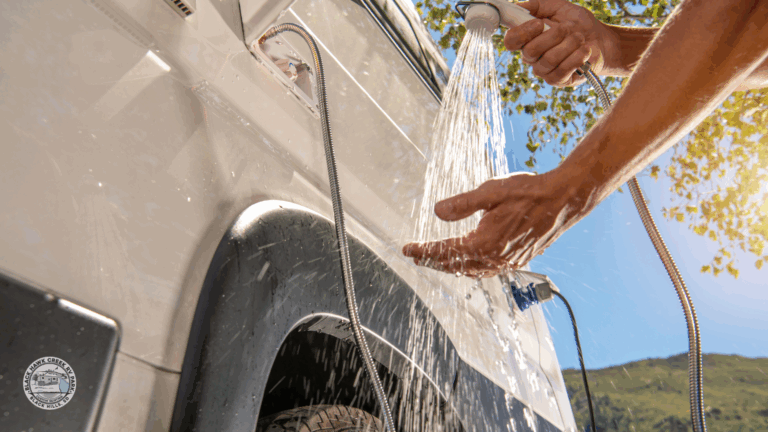
Having access to hot water is one of the essential comforts that makes RV living enjoyable. Whether you need to know how to start hot water heater in RV for showering, washing dishes, or other daily activities, understanding the proper operation of your specific system is crucial. Different RVs come equipped with various types of water heaters, including propane, electric, combination systems, and tankless options. Learning how to turn on the hot water heater in camper units correctly ensures you’ll have this basic comfort while traveling.
This guide will walk you through the process of how to turn on water heater in RV systems of all types, including how to turn on electric water heater in RV models, and provide troubleshooting tips for when things don’t go as planned. With these instructions on how to turn on hot water heater, you’ll be enjoying warm water in no time, regardless of where your adventures take you.
Understanding Your RV Water Heater System
Before attempting to start your RV’s hot water heater, it’s important to understand what type of system you have. Most RVs come equipped with water heaters that hold either 6 or 10 gallons, typically located on the exterior side of the vehicle behind an access panel.
The first step in learning how to start hot water heater in RV is identifying your specific model. Check the manufacturer’s label on your water heater or consult your RV’s owner manual. You’ll need to determine whether your system is:
- Propane-only (uses LP gas)
- Electric-only (requires 120V AC power)
- Combination system (can use either propane or electricity)
- Tankless/on-demand system
Before You Start: Essential Preparation Steps
Modern RVs typically feature interior control panels for operating the water heater, while older models might require external access. Knowing your specific system is essential for proper operation and preventing potential damage.
Before learning how to turn on water heater in RV, complete these crucial preparation steps:
- Fill the water heater tank: Ensure your fresh water tank has water and that the RV’s water pump is on, or connect to city water. Open a hot water faucet until water flows steadily to confirm the tank is full.
- Check propane supply: If using a propane water heater, verify that your propane tanks are turned on and have sufficient fuel.
- Confirm electrical connections: For electric water heaters, ensure you’re properly connected to shore power or that your generator is running.
- Verify bypass valve position: Locate the water heater bypass valve (usually near the water heater) and make sure it’s in the normal operating position, not in bypass mode.
- Inspect the pressure relief valve: This safety valve on the exterior of the water heater should be closed but not leaking.
These preliminary checks are essential to prevent damage to your water heater elements and ensure proper operation. Skipping these steps could lead to costly repairs or system failure.
Starting a Propane RV Water Heater
Direct Spark Ignition (DSI) Propane Water Heaters
Most modern RVs feature DSI propane water heaters that automatically light when activated. Here’s how to start hot water heater in RV models with DSI:
- Ensure propane is turned on at the tank.
- Locate the water heater control panel inside your RV (typically near other control panels).
- Switch the water heater to the “ON” or “PROPANE” position.
- Listen for the ignition clicking sound, which indicates the system is attempting to light.
- Watch for indicator lights:
- Green light: Successful ignition
- Red light: Failed ignition attempt
If the red light appears after several attempts, turn the system off, wait 5 minutes, and try again. Persistent failure may indicate a problem requiring troubleshooting.
The water will typically reach optimal temperature in 20-30 minutes, depending on the starting water temperature and outside conditions.
Manual Pilot Light Propane Water Heaters
Older RVs may have manual pilot light water heaters. Here’s how to turn on hot water heater in camper models with manual ignition:
- Ensure propane is turned on at the tank.
- Locate the water heater access panel on the outside of your RV and remove the cover.
- Find the gas control valve and turn it to the “PILOT” position.
- Press and hold down the pilot button.
- While holding the button, use a long lighter or match to ignite the pilot light.
- Continue holding the button for 30-60 seconds after the pilot lights to allow the thermocouple to heat up.
- Release the button slowly. If the pilot stays lit, turn the gas control valve to the “ON” position.
- Replace the access panel cover.
If the pilot won’t stay lit after several attempts, the thermocouple may need cleaning or replacement.
Starting an Electric RV Water Heater
For RVs with electric water heaters or when you prefer to use electricity over propane, here’s how to turn on electric water heater in RV:
- Ensure you’re connected to a reliable 120-volt AC power source (shore power or generator).
- Locate the electric water heater switch on your RV’s interior control panel.
- Flip the switch to the “ON” or “ELECTRIC” position.
- Check for indicator lights showing the system is operating.
Electric water heaters typically take longer to heat water than propane systems—usually 1-2 hours for a full tank. However, they’re convenient when hooked up to shore power as they conserve propane and operate silently.
Remember that electric water heaters will not function while boondocking unless you’re running a generator capable of providing sufficient power.
Operating Dual-Power (Propane/Electric) Water Heaters
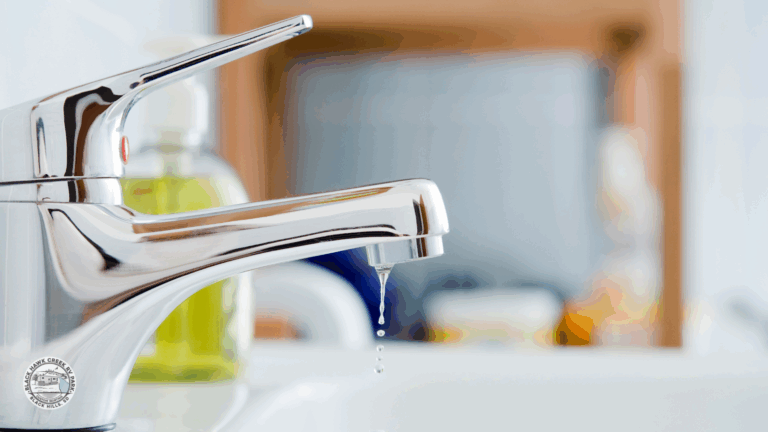
Switching Between Power Sources
Many modern RVs feature combination water heaters that can operate on either propane or electricity. Here’s how to start hot water heater in RV models with dual power options:
Locate the water heater control panel inside your RV.
- For propane operation:
- Ensure propane is turned on at the tank
- Select the “PROPANE” or “GAS” option on the control panel
- For electric operation:
- Ensure you’re connected to shore power
- Select the “ELECTRIC” option on the control panel
To turn off either option, switch the corresponding control to the “OFF” position.
The ability to switch between power sources offers flexibility based on your camping situation. Use electric when hooked up to conserve propane, and switch to propane when boondocking.
Using Quick Recovery Mode
Many dual-power water heaters offer a “quick recovery” or “dual mode” option that uses both propane and electricity simultaneously. This feature is particularly useful when:
- Multiple people need showers consecutively
- You need to quickly reheat water after heavy usage
- You’re dealing with very cold incoming water
To activate quick recovery mode:
- Ensure both propane and shore power are available.
- Turn ON BOTH the propane and electric switches on your control panel.
- The system will use both heating methods simultaneously.
Be aware that this mode consumes more resources but provides the fastest possible water heating. For most RVers, this is an occasional convenience rather than a regular operating mode.
Starting Tankless/On-Demand Water Heaters
Newer RVs may feature tankless water heaters that heat water on demand rather than storing it in a tank. Here’s how to turn on water heater in RV models with tankless systems:
- Ensure propane is turned on at the tank (most tankless RV systems use propane).
- Locate the tankless water heater control panel inside your RV.
- Switch the system to the “ON” position.
- If your system has a digital display, you may need to set your desired water temperature.
- Open a hot water faucet to trigger the system to begin heating.
Tankless systems provide several advantages:
- Endless hot water (as long as you have propane)
- More energy-efficient as they only heat water when needed
- No recovery time between showers
However, they do require adequate water pressure to function properly, and the flow rate may be limited compared to residential tankless systems.
Operating Specialized Systems
Truma Combi
Some newer RVs, particularly European models and van conversions, feature the Truma Combi system that combines water and space heating.
To operate a Truma Combi for hot water:
- Locate the Truma control panel (typically a digital display with buttons).
- Power on the system using the power button.
- Select the water heating function (usually indicated by a water droplet icon).
- Choose your desired water temperature (eco, hot, or boost).
The system will begin heating water using propane, electricity, or both depending on your model and settings.
The Truma Combi is highly efficient but operates differently from traditional RV water heaters. If you’re wondering how to turn on hot water heater in camper setups like this, consult your specific model’s manual for detailed instructions, as digital interfaces vary between versions.
Troubleshooting Common Startup Issues
Even when you know how to start hot water heater in RV systems, problems can occur. Here are solutions for common issues:
Propane Heater Won't Ignite
- Check propane levels and tank valves
- Inspect for spider webs or debris in the burner tube
- Verify the gas pressure regulator is functioning
- Ensure the electrode gap is correct for proper sparking
- Check for blown fuses in the circuit board
Electric Element Not Heating
- Confirm shore power connection is secure
- Check circuit breakers in both the RV and pedestal
- Verify the heating element isn’t burned out
- Test the thermostat for proper function
Pilot Light Won't Stay Lit
- Clean the thermocouple with fine sandpaper
- Adjust the thermocouple position closer to the flame
- Replace a faulty thermocouple
- Check for drafts that might be blowing out the flame
Water Not Getting Hot Enough
- Verify temperature setting is appropriate
- Check for mineral buildup on heating elements
- Ensure the bypass valve is fully in the normal position
- Consider ambient temperatures (may take longer in cold weather)
Error Codes on Digital Displays
Consult your owner’s manual for specific error code meanings, but common issues include:
- Low voltage
- Flame failure
- Overheat protection activated
- Water flow problems
For persistent issues that you can’t resolve through basic troubleshooting, consult with an RV technician rather than risking damage to your system.
Water Heater Maintenance Tips
Proper maintenance ensures your RV water heater operates efficiently and has a long service life. Follow these essential maintenance practices:
- Drain and flush the tank regularly: At least twice yearly, drain the tank and flush out sediment. This is especially important in areas with hard water.
- Check the anode rod: In models with anode rods, inspect and replace them when more than 75% deteriorated to prevent tank corrosion.
- Inspect for leaks: Regularly check fittings, connections, and the pressure relief valve for signs of leakage.
- Clean the burner assembly: For propane heaters, remove debris and spider webs from the burner tube and verify proper flame pattern.
- Winterize properly: Before cold weather, drain the tank completely and follow appropriate winterization procedures to prevent freeze damage.
- Test the pressure relief valve: Periodically check that this important safety feature is functioning correctly.
Regular maintenance not only extends the life of your water heater but also ensures it operates efficiently when you need it most. Many RV essentials for beginners guides recommend adding these maintenance tasks to your regular RV care schedule.
Safety Considerations
Safety should always be your priority when operating an RV water heater:
- Never operate without water: Running a water heater without a full tank can damage heating elements and create dangerous conditions.
- Check for propane leaks: Before operation, smell for propane and use soapy water on connections to check for bubbles indicating leaks.
- Ensure proper ventilation: Keep the exterior vent area clear of obstructions and never operate with the access panel removed.
- Prevent scalding: Set water temperature appropriately, especially when traveling with children or elderly individuals.
- Allow cooling before service: Let the system cool completely before attempting any maintenance.
- Don’t operate while driving: For safety reasons, water heaters should be turned off while the RV is in motion.
- Understand the pressure relief valve: This safety device prevents dangerous pressure buildup—never block or cap it.
Following these safety guidelines helps prevent accidents and ensures your RV living experience remains comfortable and worry-free.
Conclusion
Knowing how to start and turn on hot water heater in RV/camper systems is an essential skill for comfortable travel. Whether you’re operating a propane, electric, or combination system, the basic principles remain similar: ensure proper preparation, follow the correct startup sequence, and monitor for proper operation. Always consult your specific owner’s manual for model-specific instructions, as variations exist between manufacturers and models.
With practice, starting your RV water heater will become second nature. If you’re unsure how to turn on hot water heater in camper, consult your owner’s manual or follow step-by-step guides to avoid mishaps. We recommend testing your system before each trip to ensure everything is functioning correctly. Proper operation and regular maintenance will provide years of reliable hot water service, enhancing your camping experience regardless of where your adventures take you.
Remember that different camping situations may call for different heating methods—propane for boondocking, electric for hookup sites, or both for quick recovery. Understanding all your options ensures you’ll always have hot water available for your needs while keeping your RV comfortable in any season.