

Jewel Cave National Monument is a true gem of the American landscape, offering a rare glimpse into the dynamic processes that shape our planet beneath the surface. From its glittering crystals to its challenging passageways, the cave invites exploration and inspires awe, reminding us that some of nature’s greatest treasures are hidden just out of sight, waiting to be discovered.
Jewel Cave National Monument is one of nature’s hidden marvels, nestled in the Black Hills of western South Dakota. With its labyrinthine passageways, sparkling calcite crystals, and rich history, the monument has captivated explorers and visitors for over a century. As the third-longest cave in the world, Jewel Cave offers a unique window into the mysteries of the underground, alongside the rugged beauty and wildlife of the surrounding ponderosa pine forests.
Discovery and Early History
The story of Jewel Cave begins at the end of the 19th century. In 1900, local prospectors Frank and Albert Michaud, along with a friend, Tom Bingham, discovered a small opening in a cliff face. The trio was drawn by rumors of hidden riches in the Black Hills and the faint sound of wind whistling from a hole in the rock. Upon exploration, they found passageways lined with glittering crystals, which they believed to be gems—hence the name, “Jewel Cave.”
The Michaud brothers were quick to see the cave’s potential as a tourist attraction. They enlarged the entrance with dynamite and constructed wooden walkways to guide visitors through the cave’s dazzling chambers. News spread, and adventurers began to arrive from near and far, eager to witness the subterranean spectacle.
Becoming a National Monument
Despite the Michauds’ efforts, the cave’s remoteness and the roughness of the roads limited visitation. Recognizing the cave’s scientific and scenic value, President Theodore Roosevelt declared Jewel Cave a National Monument in 1908, protecting the site for future generations. Over the years, the National Park Service (NPS) assumed stewardship, improving access and amenities while preserving the cave’s delicate formations.
Geology and Formations
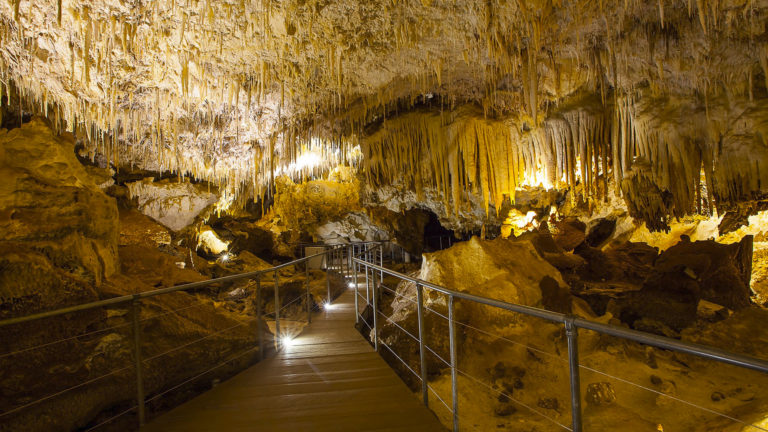
Jewel Cave’s true treasure lies not in precious stones, but in its extraordinary crystal formations. The cave’s walls are adorned with calcite crystals—some as fine as sugar, others as large as dinner plates. These crystals, known as “dogtooth spar” and “nailhead spar,” catch the light from visitors’ lanterns and flash in myriad hues, giving the cave its name.
The cave was formed in Mississippian limestone through a combination of dissolution by mildly acidic groundwater and later infilling with mineral-rich water that crystallized along the walls. Over millions of years, the process created a maze of tunnels, rooms, and delicate features, including:
- Frostwork: Fragile, needle-like crystals resembling frost on a windowpane.
- Boxwork: Thin blades of calcite forming intricate honeycombs in the rock.
- Flowstone and Draperies: Sheet-like formations produced by water seeping over walls and ceilings.
- Soda Straws and Stalactites: Slender mineral tubes and icicle-shaped structures hanging from the ceiling.
Jewel Cave’s variety of speleothems (cave formations) makes it a prime destination for geologists and cave enthusiasts alike.
Cave Exploration and Mapping
What began as a small, wind-blown entrance has since been revealed to be the gateway to one of the world’s most extensive cave systems. Early exploration was limited to a few hundred feet, but dedicated cavers have spent decades pushing the boundaries of known passages.
Today, more than 215 miles (346 kilometers) of passageways have been mapped, making it the third-longest cave in the world, behind Mammoth Cave in Kentucky and the nearby Wind Cave. Survey teams, often spending days underground, continue to discover new passages each year, suggesting that much of Jewel Cave still lies unexplored.
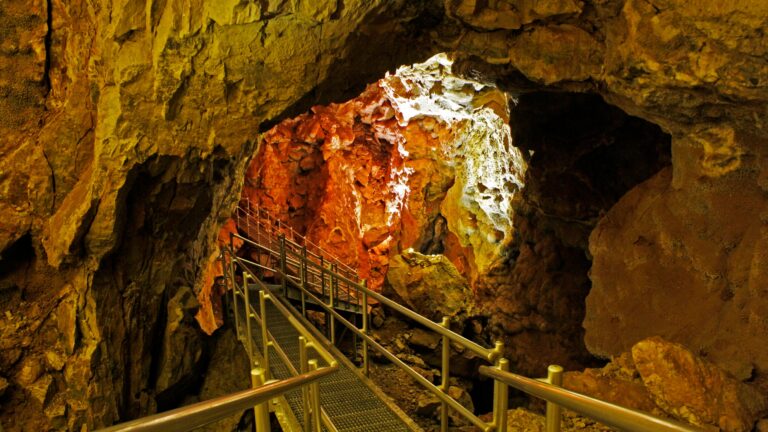
Exploring the cave is no simple feat. The interior is a maze of narrow crawls, vertical drops, and vast chambers, some reachable only by squeezing through tight spaces or scaling steep walls. Cave mapping combines old-fashioned grit with modern technology like laser rangefinders and digital mapping software.
Visiting Jewel Cave National Monument
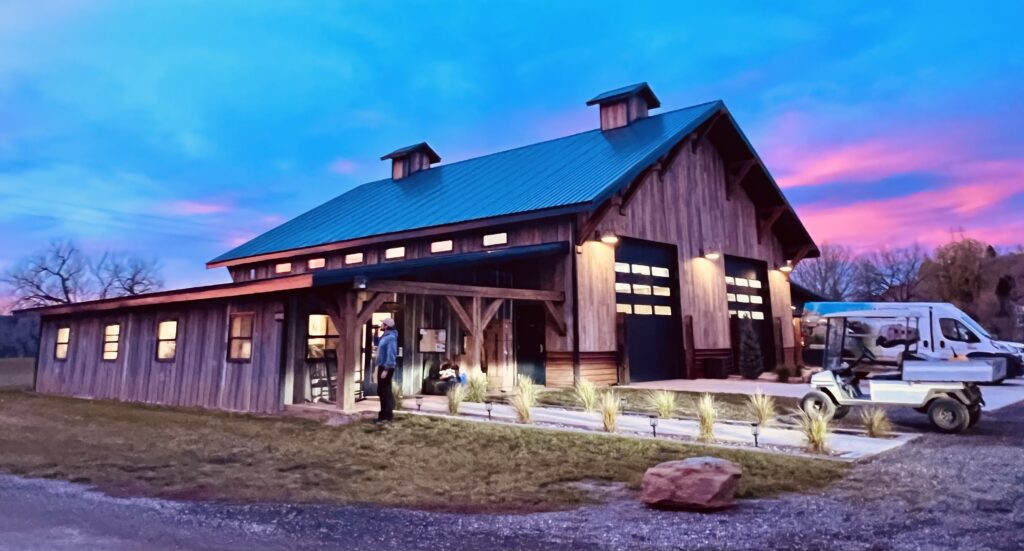
Jewel Cave National Monument is more than a subterranean wonder; it is a destination for adventurers, families, and nature lovers. Located approximately 13 miles west of Custer, South Dakota, the monument encompasses over 1,200 acres of pristine forest and grassland.
The park offers a variety of cave tours suited to different ages and abilities:
- Scenic Tour: A guided, half-mile walk along paved paths and stairways, showcasing the cave’s most dazzling formations.
- Historic Lantern Tour: A journey into the past, where visitors explore passages by lantern light, much as early explorers did.
- Wild Caving Tour: For the adventurous, this tour ventures into undeveloped sections of the cave, requiring crawling, climbing, and proper caving gear.
On the surface, visitors can hike several nature trails, picnic amid wildflowers, and spot wildlife like mule deer, chipmunks, and various birds. The visitor center features educational exhibits, a bookstore, and information about the park’s geology, history, and ongoing exploration efforts.
Conservation and Challenges
Protecting the fragile beauty of Jewel Cave is an ongoing challenge. The cave’s formations are easily damaged by human touch, and its microclimate is sensitive to changes in airflow, temperature, and moisture. The National Park Service works to mitigate the effects of tourism, employing strict guidelines on group size, lighting, and physical contact with formations.
White-nose syndrome, a fungal disease devastating North American bat populations, is a significant threat. The park enforces decontamination protocols to prevent the spread of this and other pathogens.
Continued exploration also presents risks, as cavers face physical dangers and the potential for environmental disturbance. Research and responsible stewardship are essential to ensure that Jewel Cave’s wonders endure for generations to come.
The Significance of Jewel Cave
Jewel Cave National Monument is more than just a geological curiosity—it is a place where science, history, and adventure converge. The cave’s ongoing exploration has expanded our understanding of subterranean geology and hydrology. Its story, from the Michaud brothers’ discovery to the modern efforts of dedicated cavers, is a testament to human curiosity and perseverance.
For visitors, Jewel Cave is a place of wonder: a world apart from the sunlit prairies above, filled with sparkling crystals, mysterious corridors, and echoes of the deep past. Whether touring its illuminated chambers or hiking its forested trails, the monument invites guests to marvel at the hidden beauty of the Black Hills.
Visitor Information
- Location: Jewel Cave National Monument, 11149 US Highway 16, Custer, SD 57730
- Hours: Vary by season; check the National Park Service website for current times and tour availability
- Facilities: Visitor center, restrooms, picnic areas, hiking trails, guided tours
- Accessibility: The Scenic Tour is accessible to most visitors; Wild Caving Tours require moderate to high physical fitness