

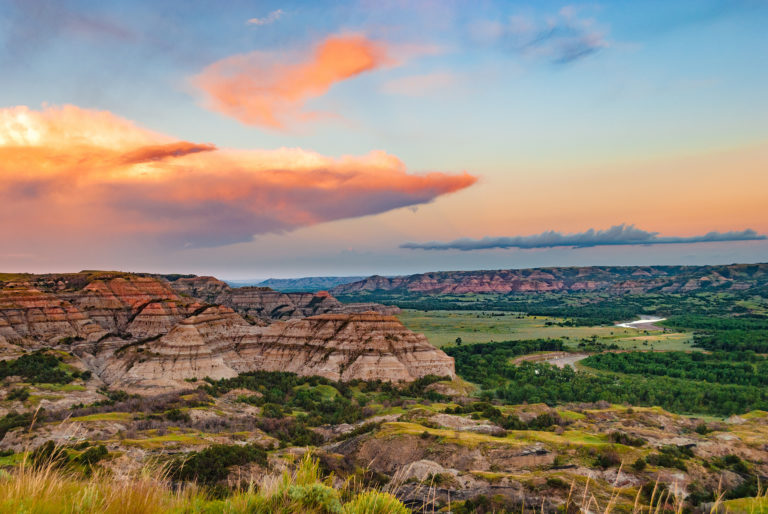
South Dakota distinguishes itself among the Great Plains states. Unlike North Dakota, New Mexico, or Texas, it boasts multiple national parks, including Badlands National Park and Wind Cave National Park.
Additionally, it is the site where Europeans sculpted Mount Rushmore on what was once called Tunkasila Sakpe Paha. The national parks in South Dakota continue to captivate visitors, sparking interest and conversation among explorers even today.
1. Badlands National Park
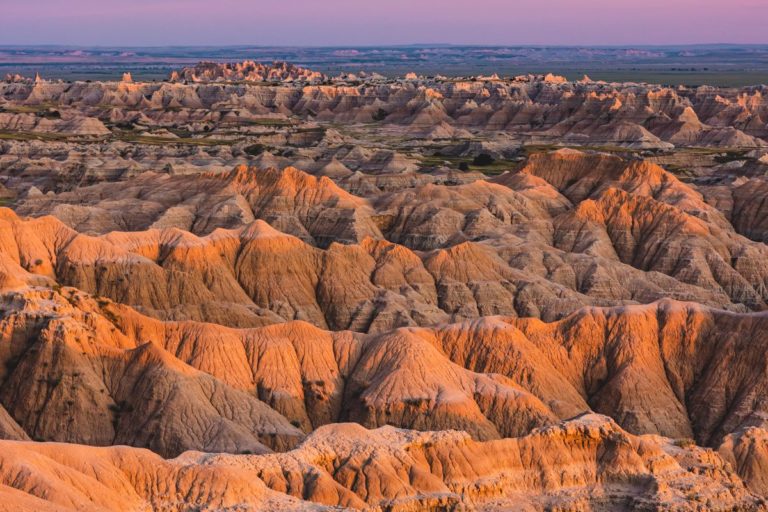
Badlands National Park in South Dakota is a stunning area known for its eroded landscapes, vibrant geological colors, and diverse plant and animal life. Visitors can observe the remarkable layers of history preserved in the land and enjoy unforgettable sunsets that paint the scenery with vivid colors. The park’s appeal lies in its combination of ancient fossils and opportunities for modern adventure, making it a must-see for those interested in Earth’s natural history.
This park contains one of the richest fossil beds globally, which helps scientists study mammal evolution, including species such as horses, rhinos, and saber-toothed cats. It is also home to a variety of animals, from small shrews to bison weighing up to 2,000 pounds. Spanning over 244,000 acres, Badlands National Park offers visitors a chance to explore its diverse geological features and breathtaking views.
2. Jewel Cave National Monument
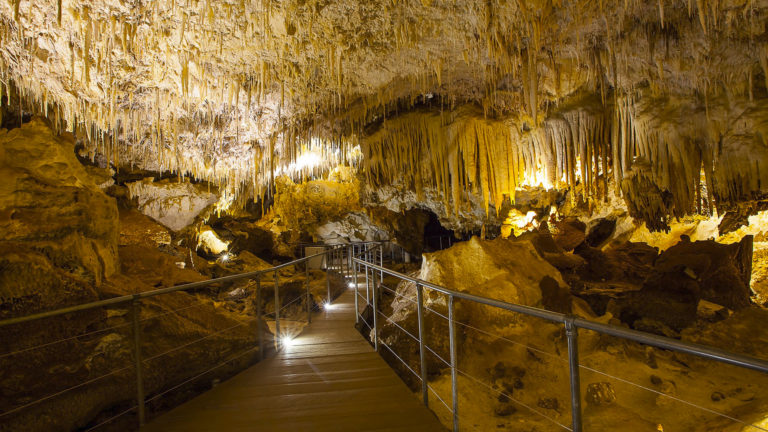
Located beneath South Dakota’s scenic landscapes, Jewel Cave National Monument reveals a hidden underground world. As the third-longest cave system on Earth, it attracts explorers and nature enthusiasts eager to discover its depths. Visitors can embark on tours highlighting the cave’s main features and unique qualities.
Access to the cave tour is via an elevator at the Visitor Center. The Scenic Tour lasts about one hour and twenty minutes and involves walking 734 steps along a half-mile loop, equivalent to climbing 40 flights of stairs.
3. Wind Cave National Park
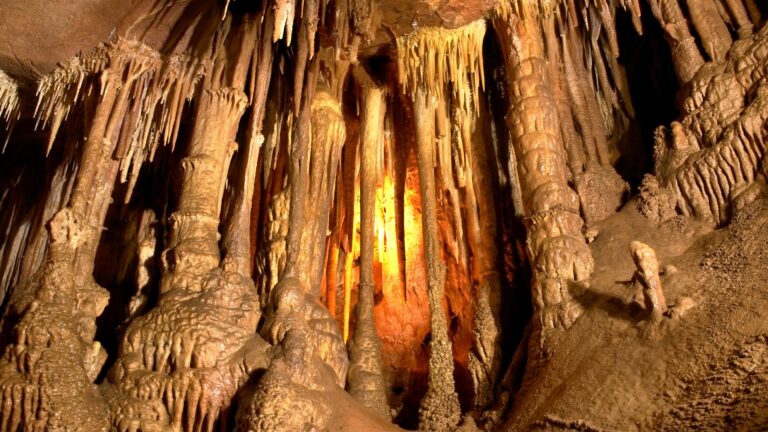
Wind Cave National Park in South Dakota offers a fascinating subterranean experience with intricate formations such as stalactites and stalagmites adorned with sparkling calcite crystals. Guided tours take visitors through the cave’s passages, revealing its geological and historical importance. The delicate boxwork formations on the walls create an almost otherworldly atmosphere. The cave also supports a unique ecosystem of creatures adapted to life underground. Wind Cave stands as an extraordinary example of Earth’s hidden natural wonders.
4. Lewis & Clark National Historic Trail
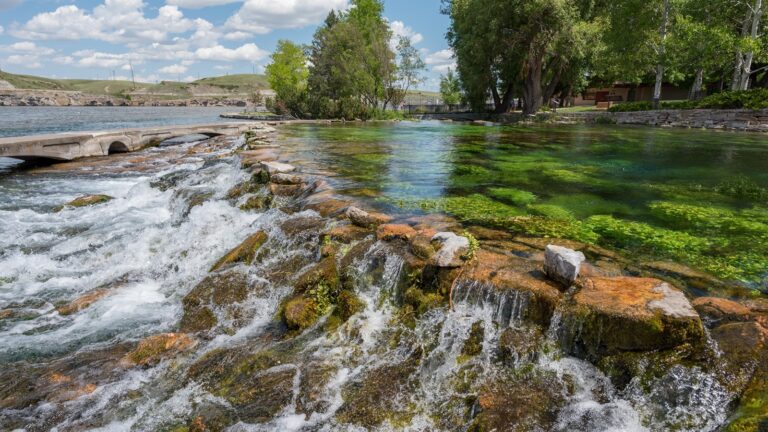
The Lewis & Clark National Historic Trail traces the route of the famous expedition into the American West. This trail celebrates the spirit of exploration and discovery, allowing visitors to experience the landscapes that challenged these pioneers, from vast plains to rugged mountains. Interpretive sites and markers along the trail provide insights into their historic journey, offering a chance to connect with their remarkable adventures that helped shape the nation.
5. Minuteman Missile National Historic Site
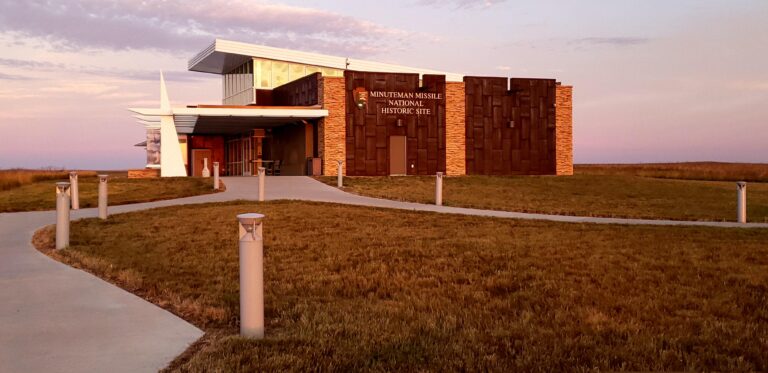
At the Minuteman Missile National Historic Site, visitors can step back into the Cold War era. The site features the Delta-01 Missile Silo, once a top-secret location where Air Force personnel were prepared to launch Minuteman Missiles. Visitors learn about the silo’s role during the Cold War, its construction, and the people who worked there. The underground control center and missile silo are open for exploration, showcasing technological advancements from that period. This site serves as a powerful reminder of past global tensions and highlights the importance of peace and diplomacy today.
6. Missouri National Recreational River
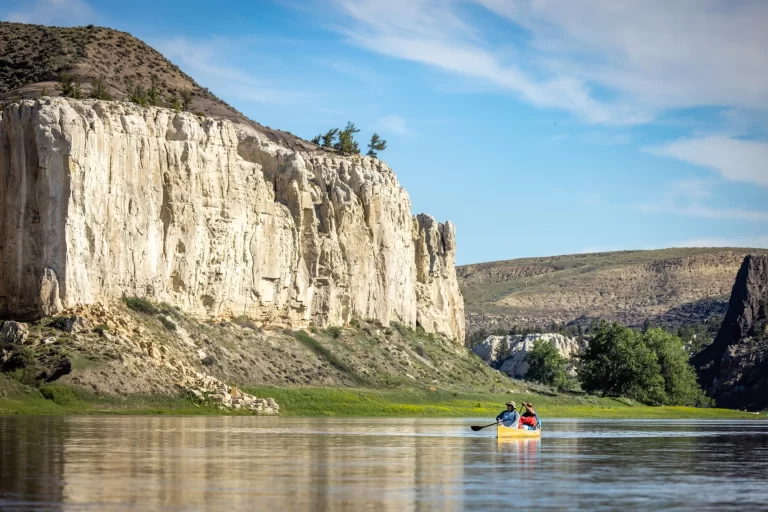
The Missouri National Recreational River offers a peaceful retreat into nature’s beauty. From forest-covered chalkstone bluffs to gently rolling bottomlands, the area is home to migrating birds, prairie asters in rich blues and purples, majestic bald eagles, and elusive red foxes. Visitors can learn about the river’s history, including its significance to Plains Indian tribes, Lewis and Clark, and steamboat captains like Grant Marsh. The river’s ever-changing character, with its islands and shifting sandbars, adds to its charm.
This important waterway connects us to the past, reflecting the history of westward expansion and trade. Whether kayaking its winding currents or hiking nearby bluffs, visitors can find tranquility and a strong connection to the river’s role in shaping the region’s heritage. It is important to note that swimming and tubing are highly discouraged due to the river’s fast current, which can quickly exhaust even the strongest swimmers.
7. Mount Rushmore National Memorial
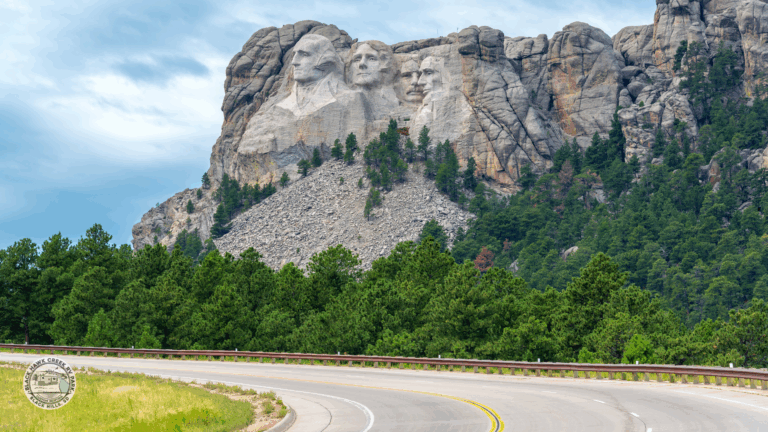
Mount Rushmore National Memorial is a grand tribute to American ideals and leadership. Carved into South Dakota’s Black Hills, it features the faces of four iconic presidents: George Washington, Thomas Jefferson, Theodore Roosevelt, and Abraham Lincoln. The memorial represents their contributions and the nation’s democratic values. Beyond being a historical monument, Mount Rushmore symbolizes hope for the future and the enduring strength of democracy. Viewing this monumental work inspires appreciation for the dedication and vision that have shaped the United States.