

Table of contents
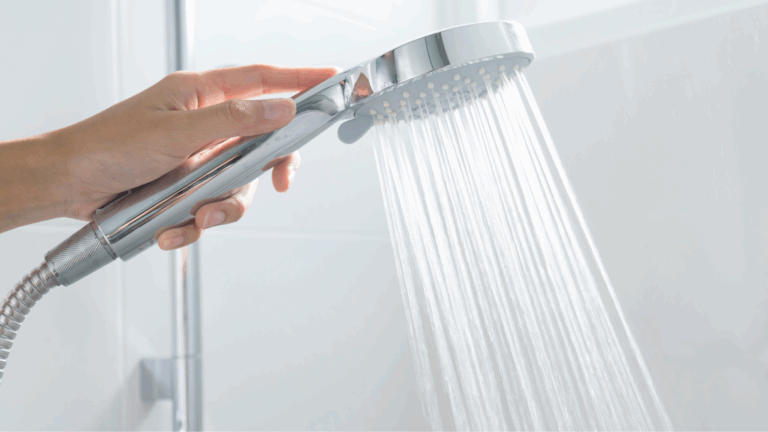
If you’ve ever turned on your RV shower after a long day of hiking or biking only to be greeted by a weak trickle of water, you’re not alone. Figuring out how to increase water pressure in RV shower systems is a common concern for campers and full-timers alike. Whether you’re wondering how to increase water pressure in an RV or looking for permanent solutions to RV low water pressure, this guide has you covered. Low water pressure in RV showers is more than just an inconvenience; it can significantly impact your comfort and hygiene while on the road. From slow rinses to soap that won’t wash away, a weak shower can make your RV feel less like a home. Fortunately, learning how to increase RV water pressure doesn’t have to require professional help.
In this guide, we’ll walk you through practical solutions ranging from quick fixes to long-term upgrades. We’ll cover how to increase water pressure in an RV using techniques like cleaning shower heads, adjusting water pumps, upgrading fixtures, and maintaining your water system. Let’s dive in!
Understanding RV Shower Water Pressure Issues
Before you start swapping out parts, it’s important to understand the root causes of RV low water pressure. RVs differ significantly from residential plumbing systems, which means they come with unique challenges.
Common Causes of Low Pressure in RV Showers:
- Campground Water Supply: Some campgrounds have low-pressure water hookups. These weak sources can reduce shower performance no matter how good your internal system is.
- Plumbing Design: RV plumbing is typically more narrow than home systems, limiting the flow of water.
- Water Pump Limitations: Your RV’s onboard water pump might not provide sufficient pressure or could be malfunctioning.
- Mineral Buildup: Over time, mineral deposits can clog shower heads and pipes, reducing flow.
How Water Pressure is Measured:
Water pressure is typically measured in PSI (pounds per square inch). A good range for RV water pressure is between 40 and 60 PSI. Anything below 30 PSI is likely to feel weak, while pressure over 60 PSI could damage your RV’s plumbing.
Knowing how to increase water pressure in an RV starts with proper diagnosis. Use a water pressure gauge to measure the incoming pressure and check if the issue lies within the RV or the water source.
Quick Fixes for Immediate Improvement
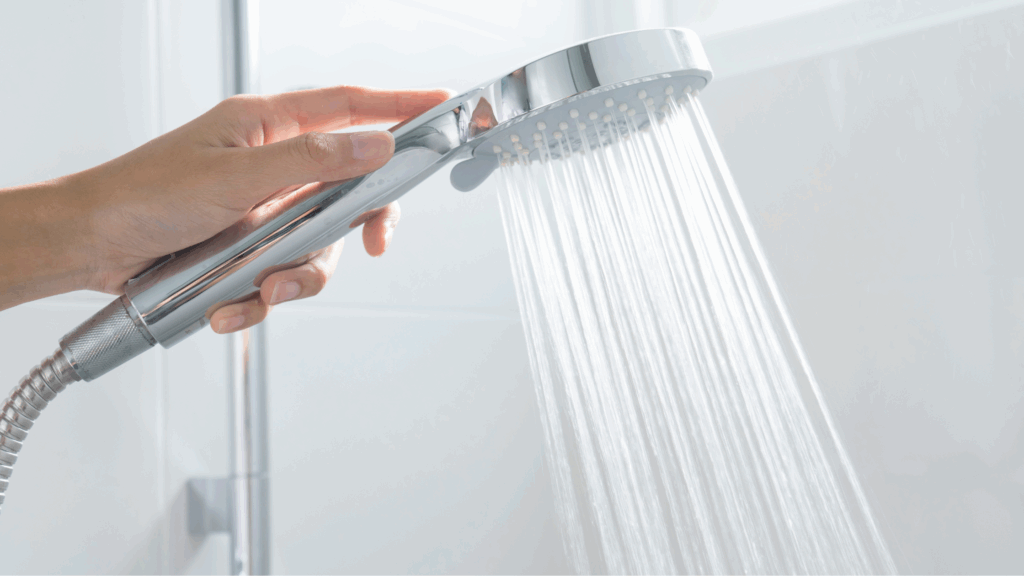
Check Your Water Source
Before assuming the issue is inside your RV, check the campground water supply. Attach a water pressure gauge to the spigot to test the incoming pressure. If it’s below 40 PSI, the campground supply may be the issue.
What You Can Do:
- Move to another site if higher pressure is available.
- Use your RV’s internal water pump instead of the external hookup.
- Consider filling your fresh water tank and running off the pump if it provides better pressure.
Clean or Replace the Shower Head
A simple solution to how to increase water pressure in RV shower setups is to clean your existing shower head.
Steps to Clean the Shower Head:
- Unscrew the shower head.
- Soak it in a solution of equal parts vinegar and water for several hours.
- Scrub any remaining deposits with a toothbrush.
- Remove any flow restrictors that may be present.
- Reinstall and check for leaks.
A clean shower head can significantly improve flow and eliminate RV low water pressure caused by blockages.
Adjust the Water Pump Pressure Switch
Your RV’s water pump usually comes with an adjustable pressure switch. Increasing this setting can improve pressure at the fixtures.
How to Adjust Safely:
- Locate the pressure switch on the pump (usually under the RV or behind a panel).
- Use a screwdriver to turn the screw clockwise to increase pressure.
- Only adjust in small increments (1/4 turn at a time).
- Test pressure after each adjustment to avoid damaging the plumbing.
Most RV water systems work best with a pressure range of 40-60 PSI. This is a safe way to increase output without risking pipe damage.
Upgrade Solutions for Significant Improvement
Install a High-Pressure Shower Head
One of the easiest ways to increase water pressure in an RV is to upgrade your shower head. High-pressure models are designed to improve flow without using more water.
Recommended Product: Oxygenics BodySpa RV Shower Head.
- Uses oxygen infusion to increase water velocity.
- Reduces water consumption while boosting pressure.
- Easy to install with standard RV fittings.
If you’ve been researching how to increase RV water pressure, this is often the first upgrade experts recommend.
Upgrade Your RV Water Pump
If your pump is outdated or underpowered, replacing it can solve many water pressure issues.
What to Look For in a Pump:
- Gallons Per Minute (GPM): Aim for at least 3.0 GPM.
- PSI: Look for pumps rated between 45-60 PSI.
- Self-priming and thermal protection features.
Popular Models:
- Shurflo 4008
- Flojet 03526
Installation Tips:
- Always disconnect power and water before installation.
- Follow manufacturer’s instructions for mounting and wiring.
- Test for leaks after setup.
If you’re serious about learning how to increase water pressure in RV shower systems, a pump upgrade can provide long-term benefits.
Install a Water Pressure Regulator with Boost
Most RVers use a water pressure regulator to prevent damage from high campground pressure. However, standard regulators can restrict flow.
Solution: Use an adjustable water pressure regulator with boost capability.
- Allows you to increase pressure from the source.
- Keeps pressure within a safe range for RV plumbing.
- Easy to install at the water hookup.
Recommended Setting: 50-55 PSI for a balance between pressure and safety.
Knowing how to increase water pressure in an RV often comes down to better control of the incoming flow. Adjustable regulators give you that flexibility.
Maintenance Tips for Sustained Water Pressure
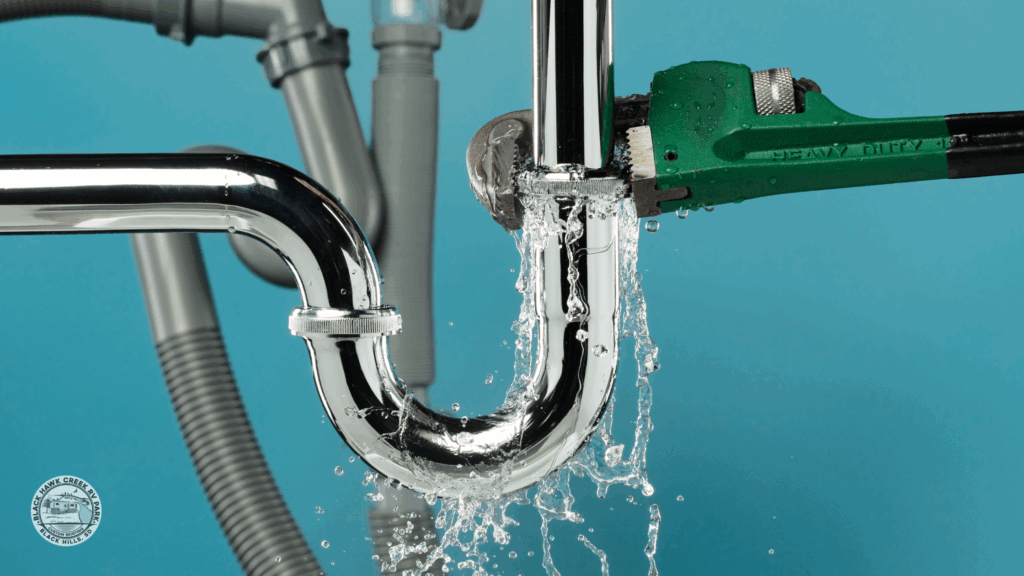
Preventive maintenance plays a key role in keeping your water system functioning at peak performance. Here’s how to maintain steady pressure year-round:
Maintenance Checklist:
- Clean shower heads and faucets monthly to prevent buildup.
- Inspect for leaks in hoses, fittings, and under sinks.
- Flush your water heater seasonally to remove sediment.
- Use water softeners in hard water areas to reduce mineral deposits.
- Winterize your plumbing before cold weather to avoid cracked pipes.
Regular upkeep not only helps maintain water pressure but also extends the life of your entire water system.
Learning how to increase water pressure in RV shower setups involves more than just changing the shower head. While products like the Oxygenics BodySpa are great starting points, a comprehensive approach will give you better, more reliable results. By checking your water source, cleaning fixtures, adjusting your water pump, and upgrading essential components, you can solve RV low water pressure issues once and for all.
Whether you’re new to RV life or a seasoned traveler, these practical steps on how to increase water pressure in an RV will enhance your camping experience and keep your showers refreshingly strong.
Experience Steady, High-Pressure Showers at Black Hawk Creek RV Park
Tired of low-pressure RV showers? At Black Hawk Creek RV Park, our strong, well-maintained water hookups make a noticeable difference. Nestled in the heart of South Dakota’s natural and cultural beauty, our park offers more than just stunning surroundings—it provides the comfort and reliability you need after a long day of adventure. Whether you’re chasing waterfalls or exploring national treasures like Mount Rushmore, return to a shower that actually feels refreshing. Book your stay today and enjoy the water pressure upgrade your RV deserves!