

Table of contents
Are you considering an RV adventure but unsure where to begin? Learning how to rent an RV can seem overwhelming at first, but it’s actually quite straightforward with the right guidance. From understanding how much to rent an RV to selecting the best RV for your needs, this comprehensive guide will walk you through every step of the process. We’ll cover everything from the different types of RVs available, how much an RV costs to rent, qualification requirements, and essential preparation tips to ensure your first RV experience is memorable for all the right reasons.
How to Choose the Right RV
When it comes to renting an RV, one size does not fit all. Before deciding which option suits you best, many travelers also wonder how much does an RV cost to rent or buy. There are various types of RVs, each with its own set of features and characteristics. To select the best one for your needs, it’s essential to understand the differences between these options:
Class A Motorhomes
Class A motorhomes are often considered the best RV for luxury and space. These are the “kings of the road” and can be as long as 45 feet. They come equipped with a full kitchen, bathroom, and comfortable sleeping arrangements. Class A motorhomes are ideal for long road trips or those who prefer the comforts of home while on the road.
Class B Motorhomes (Campervans)
If you’re looking for something more compact and easier to maneuver, Class B motorhomes, also known as campervans, are a great choice. They’re essentially a van that’s been converted into a cozy living space. Campervans are perfect for couples or solo travelers who want simplicity and convenience.
Class C Motorhomes
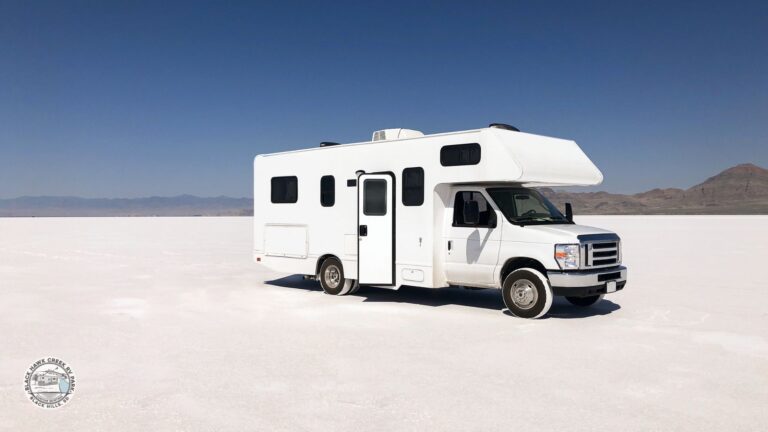
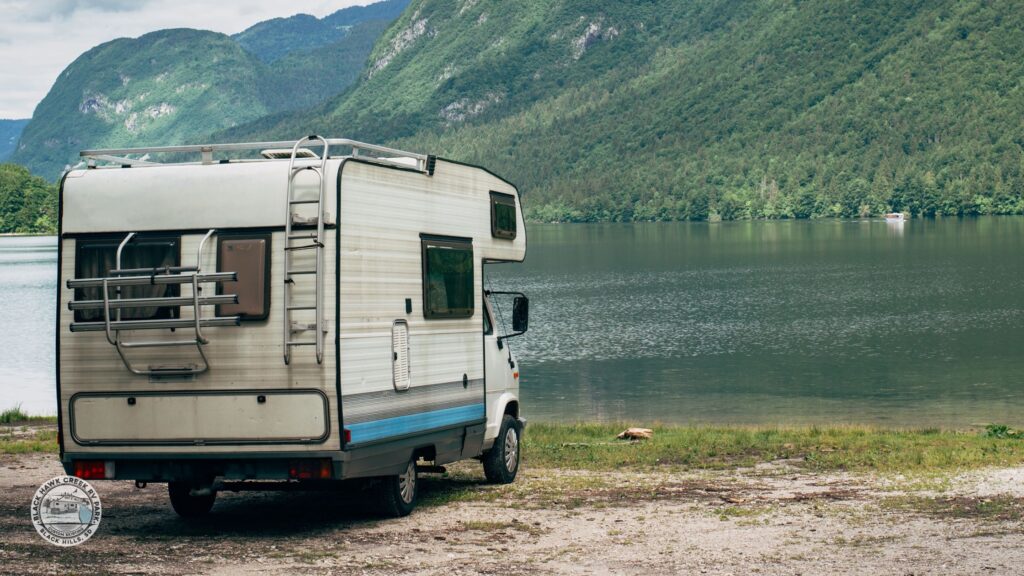
Class C motorhomes are a middle ground between Class A and Class B. They offer the space and amenities of a Class A motorhome but are built on a truck or van chassis, making them more manageable on the road. Class C motorhomes are a popular choice for families and larger groups.
Travel Trailers
Travel trailers come in various sizes and styles, making them a versatile choice. They are towed by a separate vehicle and can be unhitched, allowing you to explore in your car once you’ve set up your trailer. This flexibility makes them an excellent option for those who want to detach from their living space easily.
Fifth-Wheel Trailers
Fifth-wheel trailers are similar to travel trailers but are typically larger and require a pickup truck for towing. They offer more space and amenities, making them an excellent choice for extended trips or those who desire a true home on wheels.
Now that you have an idea of the different types of RVs available, it’s time to think about your budget and travel style. If you’ve ever wondered how much does an RV cost, the answer depends on the size, features, and level of comfort you’re looking for. Consider your specific needs and preferences — do you prioritize space and luxury, or are you searching for something more compact and budget-friendly for your adventures?
Where to Rent an RV?
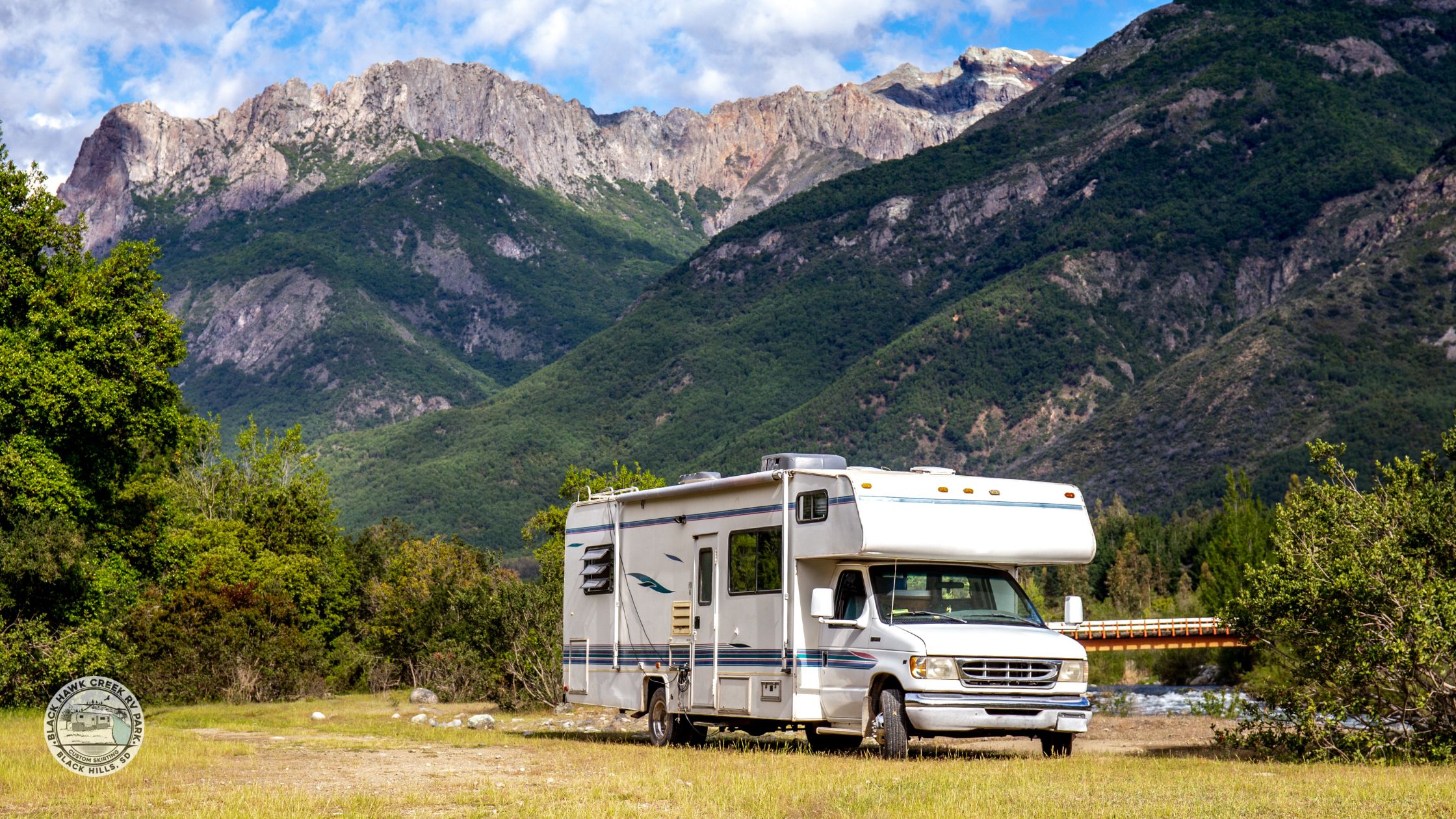
After deciding on the type of RV that suits your needs, the next step is to find the right place to rent one. There are several options for renting an RV, both online and offline. Here are some of the most popular choices:
RV Rental Companies
Numerous nationwide and local RV rental companies offer a wide range of them for rent. These companies provide well-maintained vehicles, often with additional services like insurance, roadside assistance, and training for first-time RV renters. Popular RV rental companies are Cruise America, El Monte RV, and RVshare.
Peer-to-Peer RV Rentals
Peer-to-peer rental platforms, like Outdoorsy and RVshare, connect owners with potential renters. This option can be more cost-effective and provide a more personalized experience. Keep in mind that the quality of the RVs and the rental terms may vary, so it’s essential to read reviews and communicate with the owner.
Dealerships and Private Owners
You can also find RVs for rent at some dealerships, and private owners may occasionally offer them for rent. While these options can be more limited in selection, they can sometimes provide unique opportunities to rent an RV that suits your preferences.
RV Rental Marketplaces
Online rental marketplaces, such as RVshare, are excellent platforms for comparing different rental options and prices. They offer a wide selection of it in various locations, making it easy to find the best for your trip.
Before making a reservation, consider factors like rental rates, availability, and proximity to your starting point. Be sure to read reviews and terms and conditions carefully.
How Much Does It Cost to Rent an RV?
When planning your next road trip, one of the first questions that comes to mind is how much does an RV cost to rent or own. The cost of renting can vary widely depending on several factors, including:
- Rental Duration: The longer you rent, the more cost-effective it tends to be. Many rental companies offer discounts for extended rentals, so if you’re planning an extended road trip, you might save money.
- Season and Location: RV rental prices can fluctuate based on the time of year and location. Peak travel seasons or popular destinations may have higher rental rates.
- Amenities and Add-Ons: Some RVs come with additional amenities or add-ons, such as generators, kitchen utensils, or bedding. These extras can affect the overall cost.
- Type of RV: As discussed earlier, different types come with different price tags. Class A motorhomes are generally the most expensive, followed by Class C, Class B, and various types of trailers.
As a rough estimate, daily rental rates for Class A motorhomes can start at $150 and go up to $500 or more, while Class B motorhomes may range from $100 to $300 per day. Class C motorhomes generally fall between $150 and $350 per day. Travel trailers and fifth-wheel trailers can have daily rental rates ranging from $50 to $200 or more.
Remember that in addition to the rental fee, you may incur other expenses, such as fuel, campground fees, insurance, and optional extras. Taking all these costs into account will help you better understand how much an RV costs overall when budgeting for your adventure.
Insurance and Protection Options for RV Rentals
hen learning how to rent an RV, understanding insurance options is crucial for protecting yourself financially. Here’s what you need to know:
Standard Insurance Options
- Rental Company Insurance Packages
- Standard liability: Covers damage to other vehicles and property (typically $500,000-$1 million coverage)
- Comprehensive coverage: Protects against damage to the RV itself
- Cost: Usually $15-$40 per day depending on coverage levels and RV value
- Peer-to-Peer Platform Insurance
- Platforms like RVshare and Outdoorsy offer insurance packages
- Coverage typically includes:
- Comprehensive and collision coverage
- 24/7 roadside assistance
- Liability protection (usually up to $1 million)
- Cost is often included in the rental service fee
- Personal Auto Insurance Extension
- Some personal auto policies extend to rental RVs, but this is uncommon
- Important limitations:
- Many policies exclude vehicles over a certain length or weight
- Coverage may be limited to liability only
- Towable RVs might be covered differently than motorized RVs
- Action step: Call your insurance provider before assuming coverage
- Credit Card Coverage
- Most credit card rental coverage explicitly excludes RVs
- Even premium cards typically limit coverage to standard passenger vehicles
- Action step: Verify with your specific card issuer
Additional Protection Options
- Damage Waivers
- Reduces your financial responsibility for damage
- May lower your deductible or eliminate it entirely
- Cost: $10-$25 per day
- Roadside Assistance Programs
- Covers issues like:
- Towing
- Battery jumps
- Lockout services
- Tire changes
- Fuel delivery
- May be included in rental packages or available as an add-on
- Cost: $5-$15 per day if not included
- Covers issues like:
- Trip Interruption Coverage
- Covers accommodations if the RV becomes uninhabitable
- May include transportation costs to return home
- Often bundled with premium insurance packages
Determining Appropriate Coverage
When figuring out how to rent an RV with proper insurance, consider:
- RV Value
- Higher-value RVs warrant more comprehensive coverage
- Class A motorhomes may require higher coverage limits than smaller RVs
- Trip Duration and Distance
- Longer trips increase risk exposure
- Remote destinations may benefit from enhanced roadside assistance
- Deductible Amount
- Standard deductibles range from $500-$1,500
- Lower deductibles mean higher daily insurance costs
- Personal Risk Tolerance
- Consider your comfort level with potential out-of-pocket expenses
- Balance premium costs against potential financial exposure
Insurance Verification Checklist
Before finalizing your RV rental, verify:
- Exact coverage limits for liability, collision, and comprehensive
- Deductible amounts and conditions
- What specific incidents are covered/excluded
- Roadside assistance details and limitations
- Claims process and contact information
- Required documentation in case of an accident
Understanding insurance options is a critical component of learning how to rent an RV responsibly. While additional coverage increases your rental cost, it provides valuable peace of mind, especially for first-time renters navigating unfamiliar vehicles and situations.
RV Driver’s License
In most cases, a standard driver’s license is sufficient to operate an RV, as long as it falls within a specific weight and length range. However, there are some exceptions and specific regulations to be aware of:
Special Licensing
For exceptionally large or heavy RVs, a special license may be required. The specific requirements vary by state, so it’s essential to check with your state’s Department of Motor Vehicles to determine it.
Weight and Length Restrictions
Many states have weight and length restrictions for RVs that can be operated with a standard driver’s license. These restrictions are in place to ensure safety on the road. Check your state’s regulations and the requirements of the state you’ll be traveling to.
What to Ask Before Renting an RV
To ensure a smooth and enjoyable experience, it’s crucial to ask the right questions when communicating with the RV owner or rental company. Here are some essential questions to consider:
- Availability and Reservations.
- Rental Rates and Fees.
- Insurance and Coverage.
- Pick-Up and Drop-Off.
- Maintenance and Equipment.
- Rules and Restrictions.
- Safety and Operation.
- Cancellation Policies.
- Roadside Assistance.
- Return Procedures.
By asking these topics, you can ensure that you have a clear understanding of the rental terms and conditions, reducing the chances of surprises or disputes during your trip.
RV Driving and Operation Tips for Beginners
Driving and operating an RV requires different skills from driving a car. Here are essential tips for first-timers learning how to rent an RV:
Driving Tips for RV Beginners
- Practice before your trip:
- If possible, practice driving in an empty parking lot
- Get comfortable with the vehicle’s dimensions
- Practice turning, backing up, and parking
- Adjust your driving style:
- Maintain longer following distances (4-5 seconds minimum)
- Begin braking earlier than in a car
- Accelerate gradually to save fuel
- Reduce speed by 5-10 mph below posted limits, especially in wind
- Take turns wider than you think necessary
- Be aware of dimensions:
- Know your RV’s height, width, and length
- Watch for low bridges, tree branches, and narrow roads
- Use a spotter when backing up or navigating tight spaces
- Be mindful of tail swing when turning
- Wind considerations:
- Grip the steering wheel firmly in crosswinds
- Slow down in high winds
- Be especially cautious on bridges and open areas
- Watch for wind warnings
- Parking strategies:
- Scout parking areas before committing
- Use pull-through spaces when available
- Back into sites with the driver’s side facing the hookups
- Set parking brake and use wheel chocks before leveling
Basic RV Systems Operation
Understanding how to operate RV systems is crucial when learning how to rent an RV:
Electrical Systems
- Shore power connection:
- Always turn off breakers before connecting
- Connect to appropriate outlet (30-amp or 50-amp)
- Turn breakers back on after connection
- Monitor usage to prevent tripping breakers
- Generator operation:
- Ensure proper ventilation before starting
- Allow generator to run 2-3 minutes before using appliances
- Monitor usage hours (if limited by rental agreement)
- Don’t run generator while sleeping or in prohibited areas
- Battery management:
- Understand which systems run on battery power
- Conserve power when boondocking
- Know how to check battery levels
- Limit use of high-draw appliances when not connected to shore power
Water Systems
- Fresh water connection:
- Use drinking-water-safe hose only
- Consider using a water pressure regulator
- Fill tank for dry camping or connect directly for hookup sites
- Water conservation:
- Take short showers
- Turn off water while brushing teeth
- Use paper plates to reduce dishwashing
- Tank management:
- Monitor tank levels regularly
- Keep black tank valve closed until ready to dump
- Use appropriate amount of tank treatment
- Follow proper dumping procedure:
- Connect sewer hose securely
- Open black tank valve first
- Close black tank valve
- Open gray tank valve (gray water helps clean the hose)
- Close gray tank valve
- Disconnect and rinse hose
Propane Systems
- Safety first:
- Know how to detect propane leaks (rotten egg smell)
- Turn off propane when driving (unless refrigerator requires it)
- Ensure proper ventilation when using propane appliances
- Appliance operation:
- Learn how to light the stove, oven, and water heater
- Understand refrigerator operation on propane vs. electric
- Know how to switch propane tanks if needed
Slide-Outs and Leveling
- Slide-out operation:
- Ensure adequate clearance before extending
- Remove items that might block movement
- Extend slides only when RV is level
- Retract slides before moving the RV
- Leveling process:
- Park on the most level spot available
- Use leveling blocks if necessary
- Check level front-to-back and side-to-side
- Use automatic leveling system if equipped
- Stabilize with jacks after leveling (don’t use jacks for leveling)
Campsite Setup and Breakdown
Efficient setup and breakdown procedures are important when learning how to rent an RV:
Arrival Procedure
- Check in at office if required
- Locate and inspect your site
- Position RV appropriately (consider sun, shade, hookups)
- Level the RV
- Chock wheels and set parking brake
- Connect utilities (electric first, then water, then sewer)
- Extend slides if equipped
- Set up outdoor living space
Departure Procedure
- Pack and secure all loose items
- Retract awnings and slides
- Disconnect utilities (sewer first, then water, then electric)
- Remove wheel chocks
- Perform final walk-around
- Check for obstacles above and around
Conclusion
Learning how to rent an RV opens the door to a unique and rewarding travel experience that combines the comforts of home with the freedom of the open road. Throughout this guide, we’ve covered everything first-time renters need to know—from understanding the different types of RVs available to navigating the rental process, managing costs, and preparing for your adventure.
Remember that renting an RV is accessible to beginners with proper preparation. The key is selecting the right RV type for your needs, understanding all costs involved, securing appropriate insurance, and planning your trip with realistic expectations. For those new to RV travel, starting with a shorter trip to nearby destinations allows you to get comfortable with the experience before embarking on longer journeys.
Whether you choose a traditional rental company, a peer-to-peer platform, or opt for a delivered RV that eliminates driving concerns, the options available today make RV travel more accessible than ever. For most occasional travelers, renting makes more financial sense than buying, while also providing the opportunity to try different RV types and features.
Now that you understand how to rent an RV, it’s time to start planning your adventure. Research your options, book early for the best selection, and prepare thoroughly. The open road awaits!
Experience RV Travel Without the Learning Curve
If you’re excited about RV travel but still feeling uncertain about driving or operating an RV yourself, consider a stationary experience at Black Hawk Creek RV Park. Located just minutes from Rapid City, South Dakota, this conveniently positioned park offers the perfect introduction to RV living.
Black Hawk Creek RV Park provides full hookup sites in a beautiful setting, with easy access to iconic attractions like Mount Rushmore, Crazy Horse Memorial, Custer State Park, and Badlands National Park. For first-time RVers, this location offers an ideal balance of natural beauty and convenient amenities.
Whether you’re renting an RV and driving it yourself or considering a delivered option, Black Hawk Creek’s proximity to major attractions makes it an excellent home base for your South Dakota adventure. Their experienced staff can help guide newcomers through the basics of RV setup and operation, ensuring a smooth experience.
Ready to experience the RV lifestyle without the steep learning curve? Book your stay at Black Hawk Creek RV Park today and discover why so many travelers fall in love with RV adventures in the beautiful Black Hills region.