

Table of contents
- Is Winter RV Living Right for You?
- Choosing the Right RV for Winter Living
- 1. Choose the Right Type of Heating
- 2. Insulate Your Walls and Windows
- 3. Remove Snow Frequently
- 4. Get a Dehumidifier
- 5. Get Custom Skirting on Your RV
- 6. Seal Small Openings
- 7. Insulate Your Skylight
- 8. Cover AC Unit/Units
- 9. Practice Safe Driving
- 10. Plan Ahead When Possible
- Conclusion
- Prepare Your RV for Winter at Black Hawk Creek
- Related Articles
Living fulltime in an RV in winter presents unique challenges that require careful planning and preparation. While many travelers park their rigs during the colder months, a growing community embraces year-round RV living, enjoying the beauty of snow-covered landscapes and less crowded destinations. Whether you’re considering living in a camper throughout the winter season or researching how to live in an RV during the coldest months of the year, this comprehensive guide will equip you with essential knowledge to not just survive but thrive in your mobile home when temperatures drop.
Is Winter RV Living Right for You?
Before committing to living fulltime in an RV in winter, it’s important to understand what you’re signing up for. Winter RV living comes with additional costs and considerations that might not be immediately obvious.
Financial Considerations
Winter RV living typically increases your expenses in several ways:
- Higher propane consumption for heating (potentially 2-3 times summer usage)
- Increased electricity costs if using electric heaters
- Specialized winter equipment purchases (insulation, skirting, heated hoses)
- Potentially higher campground fees for full hookup sites with reliable electricity
Lifestyle Realities
Winter living in an RV requires adjusting to:
- Limited daylight hours, meaning more time spent indoors
- Potential isolation in some locations as many campgrounds close for winter
- Reduced living space when outdoor areas become unusable
- More indoor activities and potential cabin fever
Required Skills
Successful winter RVers typically possess:
- Basic mechanical knowledge to troubleshoot heating systems
- Problem-solving abilities for unexpected cold-weather issues
- Weather monitoring skills and flexibility with travel plans
- Willingness to perform regular maintenance in cold conditions
If you value experiencing different landscapes throughout all seasons, enjoy cozy indoor time, and have the patience to deal with occasional challenges, winter camping might be perfect for you. However, if you prefer consistent warmth and minimal maintenance, you might want to consider seasonal RV living instead.
Choosing the Right RV for Winter Living
Not all RVs are created equal when it comes to cold weather performance. If you’re planning on living fulltime in an RV in winter, your choice of rig can significantly impact your comfort and safety.
Four-Season RV Features
Look for these key features in a winter-ready RV:
- Enclosed and heated underbellies to protect plumbing
- Double-pane windows for better insulation
- Higher R-value insulation in walls, floor, and ceiling
- Arctic packages with additional heating elements for tanks
- Thermal barriers on slide-outs
- Dual-pane windows to reduce heat loss and condensation
Recommended Winter-Ready RV Models
These manufacturers are known for producing RVs suitable for cold weather:
- Keystone Montana (fifth wheel)
- Northwood Arctic Fox (travel trailer and fifth wheel)
- Heartland Bighorn (fifth wheel)
- Oliver Travel Trailers (fiberglass construction)
- Forest River Arctic Wolf (fifth wheel)
RV Types for Winter Considerations
Motorhomes:
- Pros: Engine heat can help warm the living area, easier to move during storms
- Cons: More windows mean more heat loss, plumbing often less protected
Fifth Wheels:
- Pros: Generally better insulated, more interior space for extended indoor living
- Cons: Require a separate tow vehicle, can be challenging to move in snow
Travel Trailers:
- Pros: Often more affordable, some models have excellent insulation
- Cons: Typically smaller tanks, more vulnerable plumbing systems
If you’re purchasing an RV specifically for winter living, prioritize insulation quality and enclosed underbellies over luxury features. For those with existing RVs, modifications can improve winter performance significantly.
1. Choose the Right Type of Heating

When it comes to living full-time in an RV during winter, staying warm is a top priority. Most RVs come equipped with heating systems, and these are typically powered by propane. Propane heaters are highly efficient, making them a popular choice for keeping the cold at bay. Electric heaters can also be an option, but they require a reliable power source, which may not always be available when RVing in remote locations.
Propane Heaters: These are the most common choice due to their efficiency. They work well in smaller RVs and are designed to handle the cold.
Electric Heaters: Electric heaters are a good alternative if you have access to a power source. They can help supplement your RV’s existing heating system.
When utilizing portable space heaters, it’s essential to prioritize safety with the following precautions:
- Always avoid leaving a space heater unattended.
- When employing a propane space heater, ensure it’s used in well-ventilated areas.
- Maintain a clear area around the heater, free from any flammable objects.
- Have a fire extinguisher within easy reach in case of an emergency.
Additionally, you can minimize your reliance on heating during chilly nights by implementing measures such as using flannel sheets, electric blankets, or a thermal sleeping bag.
2. Insulate Your Walls and Windows
Proper insulation is key to maintaining a cozy interior during winter escapades. Quality insulation materials can make a significant difference in retaining heat. Focus on insulating walls and windows to create a thermal barrier that keeps the cold at bay. This investment will not only keep you warm but also save on heating costs in the long run.
3. Remove Snow Frequently
Living in an RV/camper during winter means dealing with snow buildup. It’s crucial to remove snow from your RV roof and exterior regularly. A heavy accumulation of ice and snow can damage your RV’s roof and lead to leaks. When the snow melts, it can seep into the seams and cause structural damage. So, keep a snow rake handy to clear your roof after a snowfall.
4. Get a Dehumidifier
Winter often brings with it higher humidity levels, which can lead to moisture-related problems inside your RV. A dehumidifier is a game-changer in combatting this issue. It helps maintain optimal humidity levels, preventing condensation and mold growth. This simple addition will contribute to a healthier and more comfortable living environment.
5. Get Custom Skirting on Your RV
If you’ve had the chance to observe extended-stay residents at an RV park or campground, you’ve probably come across a common sight: the RV skirt. These purposeful accessories encase the lower section of your RV, serving to block out snow, shield the RV’s underside, and contribute to temperature regulation. Typically crafted from robust materials, including foam, these skirts play a role in insulating your RV. Additionally, they can create an environment where one or more heaters can be placed beneath the skirting to enhance warmth. It’s vital to ensure that any heaters installed beneath the skirting are specifically designed for outdoor use to eliminate any potential risks of electrical issues.
6. Seal Small Openings
Tiny gaps and openings can be significant sources of heat loss. Take the time to inspect and seal these areas, paying special attention to areas around windows, doors, and vents. This simple step can make a significant difference in maintaining a comfortable interior temperature.
7. Insulate Your Skylight
Skylights are wonderful for letting in natural light, but they can also be a source of heat loss. Insulating this relatively thin plastic surface can help keep the cold at bay while still enjoying the benefits of natural illumination.
8. Cover AC Unit/Units
While it might seem counterintuitive, covering your air conditioning unit is essential in winter. Not only does it prevent cold air from entering your RV, but it also acts as a protective shield against the elements. However, if your RV’s air conditioners also serve as heat pumps, consider leaving them uncovered to utilize them as an additional heat source.
9. Practice Safe Driving
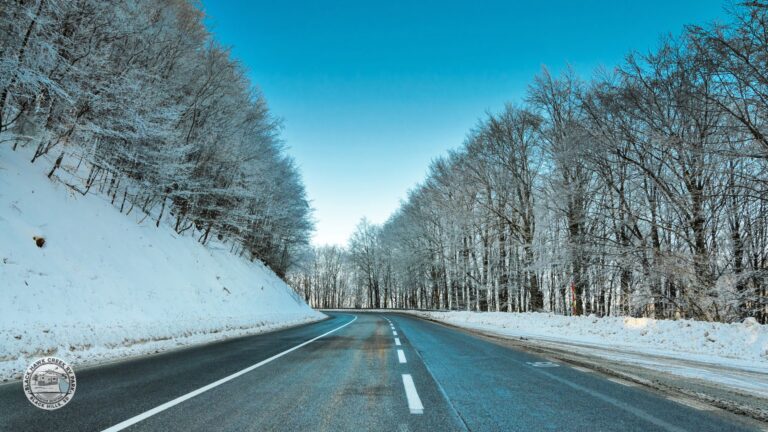
Safety should always be a top priority when living in an RV/camper during winter, especially when you’re on the move. Follow these driving tips:
- Regularly check your tires and ensure they are properly inflated to maintain traction.
- Drive slowly and avoid sudden stops or changes in direction to prevent skidding on icy roads.
- Keep a safe distance from other vehicles to allow for proper braking and reaction time.
- Stay informed about weather forecasts and road closures to avoid dangerous roadways and conditions.
It’s important to have an emergency kit in your vehicle, which should consist of:
- Ice scraper and snow brush
- Shovel
- Sand or cat litter
- Road flares or reflectors
- Blankets
- First Aid kit
- Additional clothing, like hats and gloves
- Bottled water and snacks
10. Plan Ahead When Possible
Planning ahead can save you from unexpected winter weather challenges. Check the weather forecast along your route to avoid snowstorms and hard freezes whenever possible. Ensure you have an emergency supply kit, extra water, and non-perishable food in case you get stranded. Always have a backup plan in case conditions become too severe.
Living in an RV/camper during winter can be a rewarding and adventurous experience, but it does come with unique challenges. By following these pro tips, you’ll be better prepared to face the cold and enjoy the beauty of winter from the comfort of your cozy RV.
Conclusion
Living fulltime in an RV/camper in winter presents unique challenges, but with proper preparation, the right equipment, and a flexible attitude, it can be a rewarding experience. The beauty of snow-covered landscapes, less crowded destinations, and the satisfaction of mastering a lifestyle that many find intimidating make winter RV living an adventure worth considering.
Success in winter RV living comes from thorough preparation, redundant systems, and the willingness to adapt to changing conditions. Start with shorter winter trips before committing to a full season, allowing you to test your systems and comfort levels in progressively colder weather.
Remember that the RV community is supportive and resourceful—connect with other winter RVers through online forums and social media groups to share tips and experiences. With each winter season, you’ll develop new skills and strategies that make living in an RV during cold weather not just possible, but enjoyable.
Prepare Your RV for Winter at Black Hawk Creek
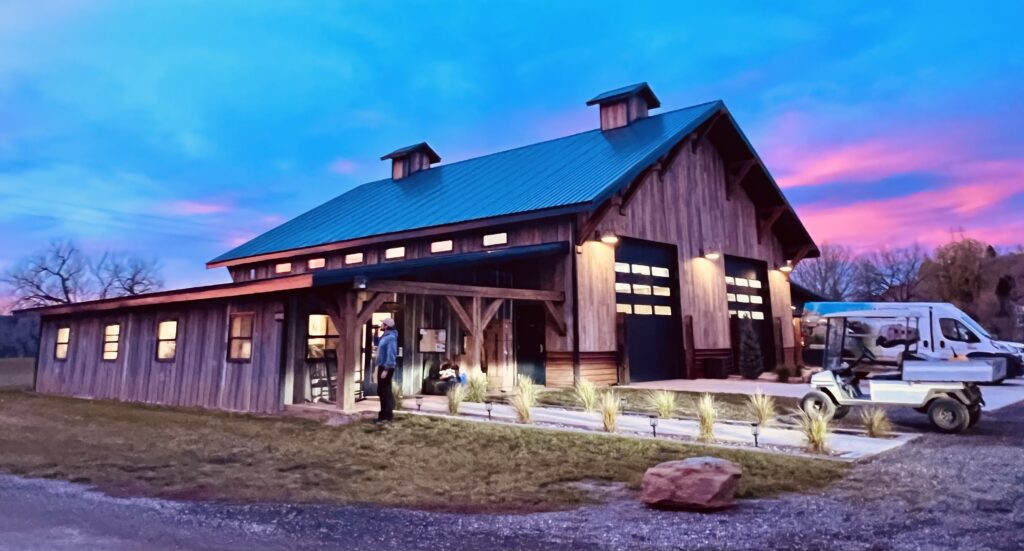
If you’re planning on living fulltime in an RV in winter in the South Dakota area, Black Hawk Creek RV Park offers the perfect home base. Located just 5 minutes from Rapid City and close to major attractions like Mount Rushmore and Badlands National Park, our year-round park provides full hookups and amenities essential for comfortable winter living.
Take advantage of our special partnership with Custom Skirting—when you order custom skirting for your RV, you’ll receive a $200 credit toward your stay at Black Hawk Creek. Professional skirting can reduce your heating costs significantly while protecting your RV’s vital systems from freezing temperatures.
Our strategic location provides easy access to services and supplies while still offering the beauty of a South Dakota winter. With reliable electricity, heated water connections, and a community of fellow RVers, you’ll find everything you need for a successful winter RV experience.
Book your winter stay at Black Hawk Creek RV Park today and discover how comfortable living in an RV during winter can be with the right location and amenities.