


Table of contents
- Choosing the Best RV for Your Road Trip
- Renting vs. Buying an RV: Which is Better?
- What to Bring on Your RV Road Trip?
- Planning Your RV Road Trip
- Popular RV Trip Routes and Destinations
- Finding a Place to Stay With Your RV
- RV Checklist Before Heading Out
- Conclusion
- Plan Your Perfect RV Getaway at Black Hawk Creek
- Related Articles
Embarking on your first RV trip opens the door to unparalleled freedom and adventure on the open road. RV vacations have surged in popularity as travelers seek flexible, self-contained ways to explore destinations while maintaining control over their environment. Whether you’re planning a family RV road trip through national parks or a coastal journey, proper RV trip planning is essential for a smooth experience. This comprehensive guide covers everything first-timers need to know—from selecting the right vehicle and mapping routes to understanding RV systems and daily life on the road—ensuring your inaugural RV vacation becomes the first of many memorable adventures.
Choosing the Best RV for Your Road Trip
Before you set out on your RV vacation, it’s crucial to select the right type of RV that suits your needs and preferences. There are various types of RVs available, each with its unique features and advantages. Here’s a brief overview of some common types of RVs:
- Class A Motorhomes: These are the largest RVs and offer spacious interiors with all the amenities you could need. They are ideal for long-distance travel and extended vacations.
- Class B Campervans: Campervans are smaller and more compact, making them easy to maneuver and park. They are perfect for couples or small families looking for a cozy adventure.
- Class C Motorhomes: These mid-sized RVs provide a comfortable compromise between the space of Class A motorhomes and the maneuverability of Class B campervans.
- Travel Trailers and Fifth Wheels: These towable RVs can be attached to your vehicle and are available in various sizes. They are versatile and can be detached for exploring without the RV.
- Pop-Up Campers: Pop-up campers are lightweight and easy to tow. They offer basic amenities and are a budget-friendly option for those new to RVing.
Consider factors such as the size of your group, your budget, and the type of terrain you’ll be traversing when choosing your RV. Also, think about whether you want to buy an RV or rent one for your road trip.
Renting vs. Buying an RV: Which is Better?
Most first-timers wisely choose to rent before buying. Major rental companies like Cruise America and Road Bear RV offer standardized fleets with comprehensive orientation programs. Expect to pay $100-300 per night depending on the RV size and season, plus mileage fees and insurance. A 13-day rental of a 30-foot Class C motorhome typically costs around $3,160 before fuel and campground fees.
When comparing rental options, look beyond the base price to understand:
- Mileage allowances and overage fees
- Generator usage fees
- Insurance coverage
- Included amenities and kitchen equipment
- Breakdown policies and roadside assistance
For the best rates and availability, book your RV rental 3-6 months in advance, especially if traveling during summer or holiday periods. Many companies offer substantial discounts for longer rentals or off-season travel.
What to Bring on Your RV Road Trip?
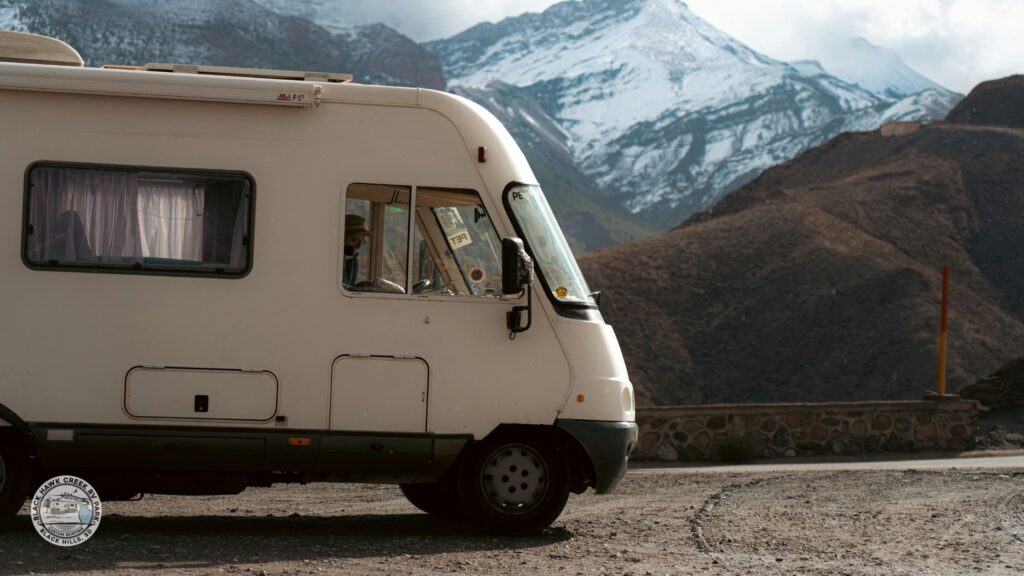
Now that you’ve chosen your RV, it’s time to pack for your adventure. Packing for an RV trip involves more than just clothes and toiletries. Here’s a checklist of essential items to bring:
- Kitchen Essentials: Cookware, utensils, dishes, and a portable grill for outdoor cooking.
- Bedding and Linens: Sheets, blankets, pillows, and towels for a comfortable night’s sleep.
- Personal Items: Toiletries, medications, and any special items you may need.
- Outdoor Gear: Folding chairs, camping equipment, and outdoor games for entertainment.
- Safety Equipment: First-aid kit, fire extinguisher, and emergency tools.
- RV Supplies: RV-friendly toilet paper, sewer hoses, and leveling blocks.
- Entertainment: Books, board games, and electronic devices for downtime.
- Food and Supplies: Non-perishable food items, snacks, and plenty of water.
- Navigation Tools: GPS device or smartphone with navigation apps.
- Documents: RV registration, insurance, and identification.
Make a checklist and double-check everything before hitting the road to ensure you have everything you need for a comfortable and enjoyable RV vacation.
Planning Your RV Road Trip
A well-planned itinerary can make all the difference in your RV road trip experience. Here are some steps to help you plan a memorable journey:
- Choose Your Destination: Research and select your destination based on your interests. Do you want to explore national parks, visit historical sites, or relax on the beach? Consider your preferences and the time of year for your trip.
- Create an Itinerary: Outline a rough itinerary with planned stops, including the number of days you’ll spend at each location. Be flexible and allow for spontaneous detours along the way.
- Campground Reservations: If you plan to stay at campgrounds or RV parks, make reservations in advance, especially during peak travel seasons.
- Budget Wisely: Calculate your travel expenses, including fuel, campground fees, food, and activities. Having a budget will help you manage your spending.
- Travel Routes: Plan your travel routes and check for any road closures, construction, or weather advisories. Consider the driving time between stops to avoid long, exhausting days on the road.
- Packing and Supplies: Refer to your packing checklist and ensure you have all the essentials for your journey.
- Maintenance Check: Before hitting the road, perform a thorough maintenance check on your RV. Check the tires, brakes, engine, and all systems to ensure they are in good working condition.
- Emergency Plan: Have a plan for emergencies, including contact information for roadside assistance and nearby medical facilities.
By carefully planning your RV road trip, you can maximize your enjoyment and minimize potential hassles along the way.
Popular RV Trip Routes and Destinations
National Parks Circuit
America’s national parks offer some of the most spectacular RV trip destinations, with campgrounds situated amid breathtaking landscapes. The Western US circuit remains particularly popular for RV travelers.
Grand Canyon to Yellowstone Route
This iconic 10-14 day route connects several of America’s most magnificent parks:
Grand Canyon National Park, Arizona
- Camping: Trailer Village RV Park (full hookups) or Mather Campground (no hookups)
- Highlights: South Rim viewpoints, Bright Angel Trail, Desert View Drive
- RV Notes: South Rim is more accessible for larger RVs than North Rim
Zion National Park, Utah (3 hours from Grand Canyon)
- Camping: Watchman Campground or nearby private parks in Springdale
- Highlights: Angels Landing, The Narrows, Emerald Pools
- RV Notes: Access to main canyon is via shuttle only (no private vehicles)
Grand Teton National Park, Wyoming (7-8 hours from Zion)
- Camping: Colter Bay RV Park or Gros Ventre Campground
- Highlights: Jenny Lake, wildlife viewing, Snake River float trips
- RV Notes: Spectacular mountain views from many campsites
Yellowstone National Park, Wyoming (1 hour from Grand Tetons)
- Camping: Fishing Bridge RV Park (only campground with full hookups)
- Highlights: Old Faithful, Grand Prismatic Spring, wildlife viewing
- RV Notes: Book 12+ months in advance; significant driving distances between attractions within the park
This route offers diverse landscapes from desert canyons to alpine mountains, with opportunities to add stops at Bryce Canyon, Capitol Reef, or Arches National Parks in Utah.
For more information about visiting national parks with an RV, check out this guide to RV length limits for national parks to ensure your vehicle can be accommodated.
Coastal Routes
America’s coastlines provide stunning backdrops for memorable RV vacation trips, with oceanfront campgrounds and seafood destinations.
Pacific Coast Highway
This legendary route from San Diego to Seattle offers breathtaking ocean views and charming coastal towns:
Southern California Highlights:
- Campgrounds: Doheny State Beach, Malibu Beach RV Park
- Attractions: San Diego Zoo, Laguna Beach, Santa Monica Pier
Central California Highlights:
- Campgrounds: Morro Bay State Park, Santa Cruz North Harbor
- Attractions: Big Sur coastline, Monterey Bay Aquarium, Hearst Castle
Northern California to Washington:
- Campgrounds: Manchester State Park, Fort Stevens State Park
- Attractions: Redwood National Park, Oregon Dunes, Olympic National Park
RV Considerations:
- Some sections have tight turns and steep grades (particularly Big Sur)
- Summer fog can limit coastal views in certain areas
- Reservations essential during summer months
Atlantic Coast
From Florida to Maine, the Atlantic coastline offers diverse experiences:
Florida to Georgia:
- Campgrounds: Anastasia State Park, Jekyll Island Campground
- Attractions: St. Augustine historic district, Savannah riverfront
Carolinas:
- Campgrounds: Huntington Beach State Park, Cape Hatteras National Seashore
- Attractions: Charleston historic district, Outer Banks lighthouses
Virginia to Maine:
- Campgrounds: Chincoteague Island KOA, Salisbury Beach State Reservation
- Attractions: Assateague wild ponies, Acadia National Park
RV Considerations:
- Avoid hurricane season (June-November) in southern regions
- Northeastern campgrounds often have shorter seasons (May-October)
- Popular areas like the Florida Keys require bookings 11+ months in advance
Scenic Byways and Rural Explorations
Beyond national parks and coastlines, America’s scenic byways and rural regions offer authentic experiences and less crowded destinations.
Oregon’s Mt. Hood and Columbia River Gorge
This region combines mountain vistas, waterfalls, and agricultural experiences:
Mt. Hood Scenic Byway:
- Campgrounds: Trillium Lake Campground, Mt. Hood Village RV Resort
- Attractions: Timberline Lodge, hiking trails, winter skiing
Columbia River Gorge:
- Campgrounds: Memaloose State Park, Bridge RV Park
- Attractions: Multnomah Falls, Hood River windsurfing, fruit orchards
Mt. Hood Fruit Loop:
- A 35-mile scenic drive through orchards, vineyards, and farms
- Seasonal fruit picking, wine tasting, and farm stands
- Spectacular views of Mt. Hood throughout the route
Blue Ridge Parkway (Virginia/North Carolina)
This 469-mile scenic route connects Shenandoah National Park to Great Smoky Mountains National Park:
Northern Section:
- Campgrounds: Peaks of Otter, Doughton Park
- Attractions: Mabry Mill, Blue Ridge Music Center
Southern Section:
- Campgrounds: Mount Pisgah, Lake Powhatan
- Attractions: Linville Falls, Folk Art Center, Mt. Mitchell
RV Considerations:
- Maximum vehicle length is 50 feet on most sections
- No commercial traffic allowed
- Lower speed limits (45 mph maximum) make for relaxed driving
- Limited fuel and services directly on the parkway
When exploring rural areas, take advantage of local experiences like farmers’ markets, small-town festivals, and regional cuisine. These authentic encounters often become the most memorable aspects of an RV journey.
For those visiting South Dakota, Black Hawk Creek RV Park offers an ideal base for exploring attractions like Mount Rushmore, Crazy Horse, and Badlands National Park, all within a short drive.
Finding a Place to Stay With Your RV
One of the advantages of RV travel is the flexibility it offers in choosing your accommodation. Here are some options for places to stay during your RV road trip:
- RV Campgrounds: RV campgrounds and parks offer a range of amenities, from basic facilities to full hook-ups with water, electricity, and sewage connections. Many campgrounds also provide recreational activities and access to beautiful natural settings.
- State and National Parks: Many state and national parks offer RV-friendly campsites amidst stunning natural landscapes. Be sure to check availability and reservation requirements, as these sites can fill up quickly.
- Boondocking: Boondocking, or dry camping, involves parking your RV in a remote location without hook-ups. It’s an excellent option for those seeking solitude and a more rustic experience. Be sure to research regulations and leave no trace.
- RV Resorts: RV resorts often cater to travelers looking for a higher level of luxury and amenities for vacation and long stays. These establishments may have pools, spas, restaurants, and entertainment options.
- Walmart Parking Lots: Some Walmart stores allow overnight RV parking, making it a convenient option for a quick stopover on your journey. Always check with the store manager and adhere to their policies.
RV Checklist Before Heading Out

Safety should always be a top priority when embarking on an RV road trip and vacation. Before you hit the road, run through this checklist to ensure a safe journey:
- Tires: Check tire pressure and tread depth, and inspect for any signs of damage or wear.
- Brakes: Test the brakes to ensure they are functioning correctly.
- Fluids: Check oil, coolant, transmission fluid, and brake fluid levels.
- Lights: Test all exterior and interior lights, including brake lights, turn signals, and headlights.
- Electrical Systems: Ensure that your electrical systems, including outlets, appliances, and the generator, are working properly.
- Propane: Inspect the propane system for leaks and make sure all appliances using propane are in good working order.
- Plumbing: Check for any leaks in the water system, including pipes, faucets, and the toilet.
- Safety Equipment: Confirm that smoke detectors, carbon monoxide detectors, and fire extinguishers are in good working condition.
- Awning and Slide Outs: If your RV has awnings or slide-out sections, make sure they are functioning correctly.
- Emergency Kit: Pack an emergency kit with essential supplies, such as flashlights, batteries, a basic toolset, and a first-aid kit.
By conducting a thorough pre-trip inspection, you can reduce the risk of breakdowns and ensure a safe and enjoyable RV adventure.
Conclusion
Embarking on your first RV vacation trip opens the door to a world of freedom, flexibility, and unforgettable experiences. While the learning curve may seem steep initially, the rewards of RV travel—from starlit nights in national parks to the camaraderie of campground communities—make the effort worthwhile. With careful RV trip planning, including mapping your route, understanding your vehicle’s systems, and embracing the RV lifestyle’s rhythms, you’ll join countless travelers who have discovered the unique joy of bringing their home along on adventures.
Start with shorter trips to build confidence before tackling epic cross-country journeys. Be patient with yourself during the learning process, and remember that most RV challenges have simple solutions. The RV community welcomes newcomers with open arms and helpful advice—don’t hesitate to ask questions when needed.
Whether you’re drawn to coastal drives with ocean views, majestic national parks, or charming small towns off the beaten path, RV trip planning helps you make the most of every moment on the road. RV travel offers unparalleled opportunities to experience America’s diverse landscapes and cultures at your own pace. The memories created—morning coffee with mountain vistas, evenings around campfires with new friends, and the simple pleasure of the open road—will last long after you’ve returned home.
Your first RV vacation trip marks the beginning of a journey that many find becomes a lifelong passion. The road awaits—start your RV trip planning and adventure today!
Plan Your Perfect RV Getaway at Black Hawk Creek
Looking for the ideal home base for your South Dakota RV adventure? Black Hawk Creek RV Park offers full-hookup sites just minutes from Rapid City and major attractions like Mount Rushmore, Crazy Horse, and Badlands National Park. With year-round availability and amenities for both short and extended stays, Black Hawk Creek provides the perfect launching point for exploring the Black Hills region. Book your stay today and experience the convenience of having South Dakota’s natural wonders and historic sites within easy reach of your comfortable campsite!