

Table of contents
- Basic Information About the American Pasque Flower
- Historical Significance of the Pasque Flower in South Dakota
- Physical Characteristics and Identification
- Growth Cycle and Seasonal Patterns
- Natural Distribution and Habitat
- Cultural and Symbolic Significance
- The Pasque Flower Among Other South Dakota State Symbols
- Visiting and Photographing Pasque Flowers in South Dakota
- Conclusion
- Experience South Dakota’s Natural Beauty Up Close
- Related Articles
The American Pasque flower (Pulsatilla hirsutissima) has proudly served as the South Dakota state flower since 1903, making it one of the state’s earliest official symbols. This resilient native plant is renowned for being among the first to bloom each spring, often pushing through lingering snow to display its delicate purple blossoms. The question of what is the state flower of South Dakota is answered by this hardy perennial that perfectly represents the pioneer spirit of the Mount Rushmore State. The SD state flower holds deep significance in the state’s natural heritage and cultural identity, symbolizing perseverance and renewal after harsh winters. This South Dakota flower’s early emergence heralds the arrival of spring across the prairie landscape, making it a beloved sight for residents and visitors alike. In this article, we’ll explore the American Pasque flower’s characteristics, historical significance, cultural importance, and provide guidance for viewing and growing this iconic state symbol.
Basic Information About the American Pasque Flower
The South Dakota state flower belongs to the buttercup family (Ranunculaceae) and is scientifically known as Pulsatilla hirsutissima, though it was formerly classified as Anemone patens. Beyond its official designation, this distinctive plant goes by several common names including prairie crocus, windflower, and May Day flower, though American Pasque flower remains its most recognized title.
The name “pasque” derives from “paschal,” referring to Easter or Passover, which reflects its early spring blooming period that often coincides with these religious holidays. This timing is significant, as the South Dakota flower typically emerges in late April to early May, making it one of the first wildflowers to appear after winter’s retreat.
Officially designated as the state flower in 1903, the American Pasque flower was chosen to represent South Dakota just 14 years after statehood. This early adoption speaks to the flower’s prominence in the landscape and its cultural significance to early settlers and indigenous peoples alike.
The plant is native to prairies and open woodlands throughout the northern Great Plains, thriving in the challenging climate of South Dakota with remarkable resilience. Its ability to withstand harsh conditions while producing beautiful blooms made it an ideal symbol for the pioneering spirit of the state’s residents.
For those interested in RV living for beginners, recognizing native plants like the South Dakota state flower can enhance your connection to the local environment during your travels.
Historical Significance of the Pasque Flower in South Dakota
The American Pasque flower’s history in South Dakota predates European settlement, with indigenous peoples recognizing its medicinal properties and seasonal significance long before it became an official state symbol. Native American tribes, including the Lakota and Dakota, incorporated the plant into their traditional medicine, using it to treat various ailments despite its toxic properties when consumed in large quantities.
When European settlers arrived on the Great Plains, the South Dakota flower quickly captured their attention as one of the first signs of spring after the region’s notoriously harsh winters. The sight of these purple blooms pushing through melting snow represented hope and resilience—qualities that resonated deeply with pioneer families facing the challenges of establishing new lives on the frontier.
The legislative process to adopt the American Pasque flower as the SD state flower began in early 1903, championed by state senator Levi McGee of Beadle County. On March 5, 1903, the South Dakota Legislature officially designated it as the state floral emblem, making it one of the first official state symbols. This early adoption reflects the flower’s importance to South Dakota’s identity during its formative years as a state.
Throughout South Dakota’s history, the Pasque flower has been featured in local art, literature, and cultural celebrations. Its annual appearance continues to mark the changing of seasons for South Dakotans, connecting modern residents to generations past who welcomed the same purple blooms after long winters.
For travelers exploring the state’s natural beauty, understanding the historical significance of the South Dakota state flower adds depth to the experience. Those planning extended stays might consider long-term RV parks in South Dakota to fully immerse themselves in the state’s seasonal changes.
Physical Characteristics and Identification
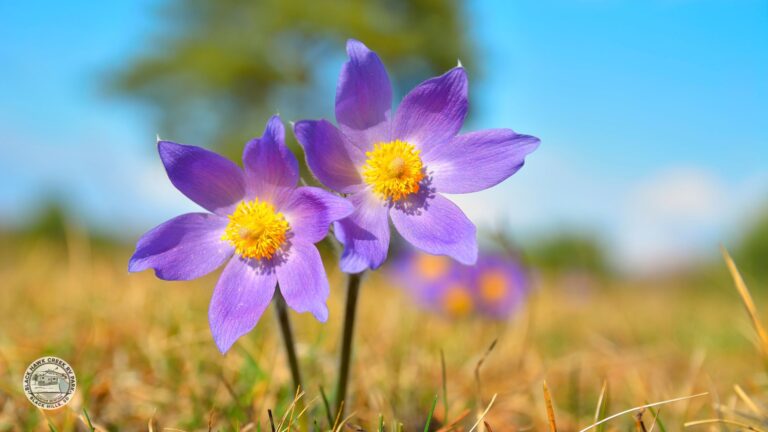
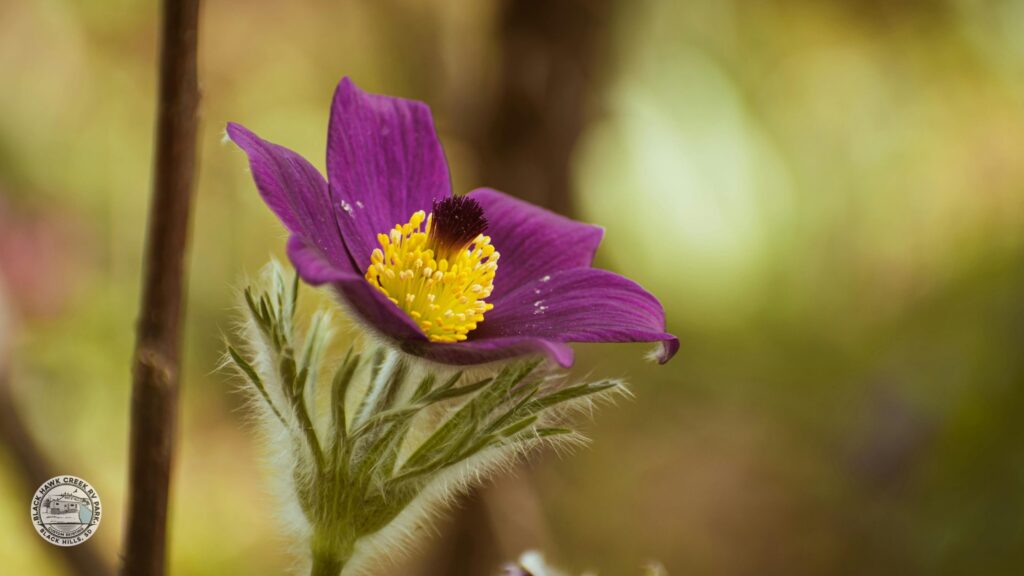
The American Pasque flower possesses distinctive features that make it relatively easy to identify in its native habitat. The South Dakota state flower typically stands between 4-6 inches tall, with a single stem supporting one solitary bloom. Its most striking characteristic is the bell-shaped flower with 5-8 petal-like sepals that range in color from pale lavender to deep purple, occasionally displaying bluish or reddish hues depending on growing conditions.
At the center of each bloom, numerous golden yellow stamens create a bright contrast against the purple sepals, adding to the flower’s visual appeal. This central cluster contains both male and female reproductive parts, with the female pistils eventually developing into the plant’s distinctive seed heads.
Perhaps the most unique physical trait of the SD state flower is its fuzzy appearance. The entire plant—stems, leaves, and even the outer surface of the sepals—is covered in fine, silky hairs that create a silvery sheen when caught in sunlight. These hairs serve a practical purpose, helping to insulate the plant against cold spring temperatures and reducing water loss in dry conditions.
The leaves of the American Pasque flower are equally distinctive, appearing in basal rosettes with deeply divided, fern-like segments. These compound leaves emerge simultaneously with or shortly after the flowers and continue to expand as the blooming period progresses.
After flowering, the South Dakota flower develops feathery, elongated seed heads that resemble smoky gray pompoms. These feathery structures help disperse the seeds via wind, allowing the plant to spread throughout suitable habitats.
When planning your visit to see this iconic South Dakota flower, consider bringing proper camping essentials for women or other appropriate gear to ensure a comfortable outdoor experience while searching for these beautiful blooms.
Growth Cycle and Seasonal Patterns
The American Pasque flower follows a fascinating annual growth cycle that has perfectly adapted to South Dakota’s challenging climate. As one of the earliest bloomers, the South Dakota state flower begins its yearly journey as soon as soil temperatures rise slightly above freezing, often while patches of snow still cover the ground.
The growth cycle typically begins in early April when small, furry leaf buds emerge from the plant’s perennial rootstock. Within days, flower buds appear and rapidly develop into the characteristic purple blooms that make the American Pasque flower so recognizable. This quick emergence is a survival strategy that allows the plant to photosynthesize and reproduce before taller prairie plants can overshadow it.
The blooming period of the SD state flower is relatively brief, lasting approximately two weeks between mid-April and early May, depending on the specific location and weather conditions. During this time, pollinators like early-emerging bees are attracted to the flowers, facilitating reproduction.
After pollination, the sepals fall away as the plant’s energy shifts to seed production. The distinctive feathery seed heads develop throughout May and early June, eventually releasing their seeds to be carried by the wind. These seeds require a period of cold stratification, meaning they typically germinate the following spring after experiencing winter conditions.
As summer progresses, the South Dakota flower’s above-ground portions gradually die back, but the plant survives through its robust root system. The American Pasque flower enters dormancy during the hot summer months and remains dormant through winter until the cycle begins again the following spring.
Climate change has begun affecting this traditional timing, with some observations suggesting earlier bloom times in recent years. For those interested in witnessing this natural phenomenon while traveling, proper planning is essential. Having the right camping cookware can enhance your experience if you’re staying outdoors during your search for the South Dakota state flower.
Natural Distribution and Habitat
The American Pasque flower enjoys a widespread distribution throughout South Dakota, thriving in various regions from the eastern prairies to the western Black Hills. The South Dakota state flower can be found in all corners of the state, from Mount Vernon to Sioux City and beyond, though its abundance varies by habitat type.
Beyond South Dakota’s borders, this resilient plant extends its range throughout much of the northern Great Plains and into the Rocky Mountain states. Related species can be found as far north as Alaska and across similar latitudes in Canada, Europe, and Asia, though the American Pasque flower itself is distinctly native to North America.
The SD state flower shows a strong preference for specific habitat conditions. It thrives in well-drained, open areas with full sun exposure, making prairies, hillsides, and meadows its preferred environments. The plant is particularly abundant on south-facing slopes where snow melts earlier in spring, allowing it to begin its growth cycle sooner.
Soil composition plays a crucial role in the South Dakota flower’s distribution. It favors slightly alkaline, calcium-rich soils that drain well, avoiding areas where water might collect and cause root rot. This preference for drier conditions explains why the plant rarely succeeds in warm, humid environments or heavily forested areas where sunlight is limited.
Conservation efforts to protect the American Pasque flower’s natural habitat have become increasingly important as prairie ecosystems face threats from agricultural expansion, urban development, and invasive species. Several protected areas throughout South Dakota maintain pristine examples of the plant’s native habitat.
Visitors hoping to see the South Dakota state flower in its natural setting should explore places like Wind Cave National Park, Custer State Park, and the Buffalo Gap National Grassland during late April to early May. For those traveling by RV, understanding RV length limits for national parks is essential when planning visits to these protected areas.
Cultural and Symbolic Significance
The American Pasque flower holds profound cultural significance for South Dakotans, representing more than just a beautiful wildflower. As the official South Dakota state flower, it symbolizes resilience, renewal, and the indomitable spirit that characterizes the state’s residents.
The timing of the flower’s bloom carries powerful symbolism. Emerging while snow still covers parts of the landscape, the South Dakota flower represents hope and perseverance through difficult times. This symbolism resonated deeply with early settlers who endured harsh prairie winters and celebrated the flower’s appearance as a promise of warmer days ahead.
Native American tribes, particularly the Lakota and Dakota peoples, incorporated the American Pasque flower into their traditional medicine despite its toxic properties. When properly prepared, parts of the plant were used to treat respiratory conditions, rheumatism, and even eye diseases like cataracts. The plant also featured in certain tribal ceremonies marking the transition from winter to spring.
Throughout South Dakota’s history, the SD state flower has been celebrated in various cultural expressions. It appears in regional art, poetry, and folk songs, often symbolizing the brief but beautiful nature of prairie spring. Local festivals sometimes coincide with the blooming period, though the short flowering window makes timing challenging.
In education, the South Dakota state flower serves as an important teaching tool. Schools throughout the state incorporate the American Pasque flower into lessons about native ecosystems, plant adaptations, and state history. Many children learn to recognize the flower during field trips to nature centers or through classroom activities.
The flower also appears on various state materials, from tourism brochures to government documents, reinforcing its status as an important state symbol. For visitors exploring South Dakota, understanding this cultural significance adds depth to the experience of seeing the flower in its natural habitat.
Those planning extended stays to fully experience South Dakota’s natural beauty might consider tips for working on the road in your RV to combine travel with remote work opportunities.
The Pasque Flower Among Other South Dakota State Symbols
The American Pasque flower holds a distinguished place among South Dakota’s official state symbols, being one of the earliest adopted. As the South Dakota state flower since 1903, it predates many other state emblems and represents the state’s natural heritage alongside a diverse collection of officially recognized plants, animals, and cultural items.
Among the state’s botanical symbols, the American Pasque flower is joined by the Black Hills Spruce (Picea glauca var. densata), designated as the state tree in 1947. Together, these plants represent different aspects of South Dakota’s diverse ecosystems, from open prairies to forested mountains. The state grass, Western Wheatgrass (Pascopyrum smithii), was added more recently in 1970, completing the trio of official plant symbols.
The SD state flower complements South Dakota’s animal symbols, which include the Ring-necked Pheasant (Phasianus colchicus) as the state bird (adopted in 1943) and the Coyote (Canis latrans) as the state animal (adopted in 1949). Like the South Dakota flower, these creatures have adapted to thrive in the state’s challenging climate and represent different aspects of its natural environment.
Other notable state symbols include the Fairburn Agate as the state gemstone, honey as the state food, and “Hail, South Dakota!” as the state anthem. Each symbol was chosen through legislative action to represent aspects of South Dakota’s identity, history, and natural resources.
Collectively, these symbols appear in educational materials, government publications, and tourism promotions. They create a comprehensive representation of what makes South Dakota unique and provide tangible connections to the state’s natural and cultural heritage.
Visitors interested in learning more about these symbols can explore exhibits at the South Dakota State Capitol in Pierre or visit the South Dakota State Historical Society. For those traveling through the state by RV, understanding the average cost of RV parks per night can help plan an economical journey to experience these state symbols firsthand.
Visiting and Photographing Pasque Flowers in South Dakota
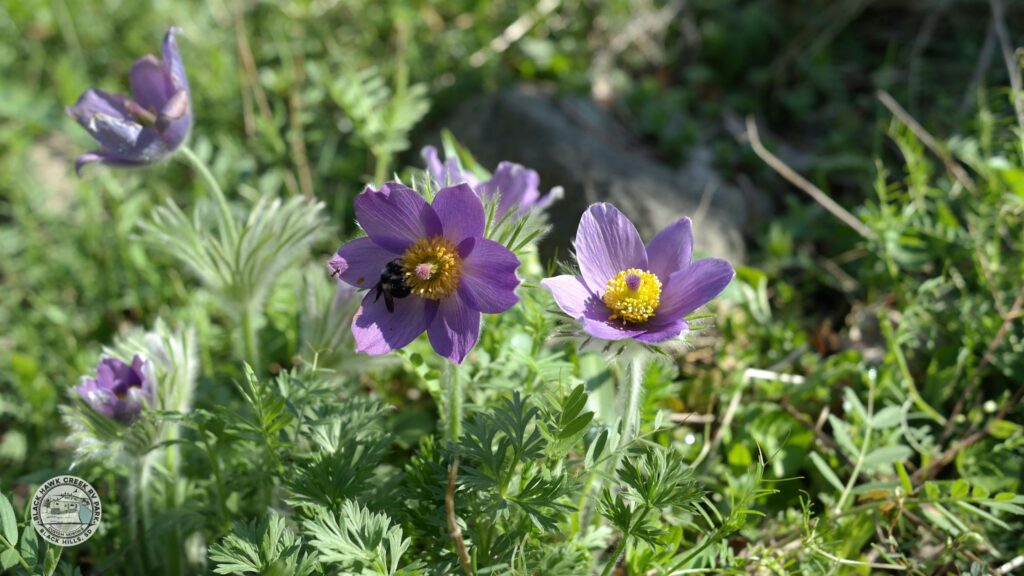
For nature enthusiasts and photographers, witnessing the American Pasque flower in bloom is a memorable spring experience. The South Dakota state flower’s brief blooming period requires careful timing, but the reward is well worth the effort.
The optimal viewing window for the SD state flower typically falls between mid-April and early May, though exact timing varies based on seasonal temperatures and location. Higher elevations and northern areas tend to bloom slightly later than southern and lower-elevation sites. Monitoring local wildflower reports or contacting park rangers can help pinpoint peak blooming periods.
Several locations throughout South Dakota offer excellent opportunities to see the American Pasque flower in its natural habitat:
- Custer State Park: The prairie areas and open hillsides throughout this popular park showcase impressive displays of the South Dakota flower, particularly along the Wildlife Loop Road.
- Wind Cave National Park: The mixed-grass prairie sections of this park host abundant Pasque flowers, especially along the Rankin Ridge Trail.
- Newton Hills State Park: Located in the eastern part of the state, this park’s prairie remnants feature good populations of the American Pasque flower.
- Buffalo Gap National Grassland: This vast protected area preserves native prairie habitat where the South Dakota state flower thrives.
- Black Hills National Forest: Various locations throughout the forest, particularly in meadows and open areas, display the flowers each spring.
For those planning a spring visit to see these beautiful blooms, Black Hawk Creek RV Park offers a convenient base for exploring South Dakota’s natural wonders, including locations where the state flower can be found.
Conclusion
The American Pasque flower stands as a perfect emblem for South Dakota, embodying the state’s resilient spirit and natural beauty. As the official South Dakota state flower for over a century, this remarkable plant continues to capture the hearts of residents and visitors alike with its early spring blooms that herald the end of winter across the prairie landscape.
From its historical significance to indigenous peoples and early settlers to its continued cultural importance today, the SD state flower represents more than just a beautiful wildflower. It symbolizes perseverance through harsh conditions, the cyclical nature of the seasons, and the delicate balance of prairie ecosystems that define much of South Dakota’s landscape.
The American Pasque flower’s distinctive appearance—with its silky, silver-haired stems and leaves supporting vibrant purple blooms—makes it instantly recognizable to those familiar with the flora of the northern Great Plains. Its early emergence, often while snow still covers parts of the landscape, demonstrates the remarkable adaptations that allow native plants to thrive in challenging environments.
For South Dakota residents, the annual appearance of the South Dakota flower provides a tangible connection to generations past who welcomed the same purple blooms after long winters. For visitors, discovering these delicate flowers in their natural habitat offers a unique glimpse into the state’s natural heritage and seasonal rhythms.
Whether you’re a lifelong South Dakotan or a visitor exploring the state’s natural wonders, taking time to appreciate the American Pasque flower connects you to the heart of what makes this region special—its resilient nature, seasonal beauty, and enduring spirit.
Experience South Dakota’s Natural Beauty Up Close
After learning about South Dakota’s state flower, why not experience the state’s natural wonders firsthand? Located just 2 miles from the interstate and only 5 minutes from Rapid City, Black Hawk Creek RV Park offers the perfect base for your South Dakota adventure. With accommodations ranging from spacious RV sites to cozy cabins, you’ll have a comfortable home while exploring nearby attractions including Mount Rushmore, Crazy Horse, Custer State Park, and Badlands National Park—all areas where you might spot the American Pasque flower in season.
As a year-round destination, Black Hawk Creek welcomes travelers seeking both short getaways and extended stays. The park’s strategic location puts you within easy driving distance of South Dakota’s most iconic natural and cultural attractions, including historic Deadwood and Devils Tower.
Book your stay at Black Hawk Creek RV Park today and unlock the door to unforgettable experiences in the heart of South Dakota’s beautiful landscape.