

Table of contents
- Geological Formation and Physical Characteristics
- Cultural and Spiritual Significance
- Bear Butte State Park Information
- Hiking and Recreational Activities
- Bear Butte in History
- Bear Butte in the Context of the Black Hills Region
- Best Times to Visit and Seasonal Considerations
- Conclusion
- Plan Your Black Hills Adventure from the Perfect Base Camp
- Related Articles
Rising dramatically from the plains of South Dakota, Bear Butte stands as both a natural wonder and a living spiritual sanctuary. This iconic landmark, known as “Mato Paha” in Lakota, has served as a sacred site for Native American tribes for over 4,000 years. Located just northeast of Sturgis, Bear Butte State Park offers visitors a chance to experience the mountain’s unique geological features, explore Bear Butte Lake, and even enjoy Bear Butte State Park camping options. However, this isn’t just another tourist destination—it’s a place where ancient traditions continue and where the spiritual practices of numerous indigenous peoples remain vibrant and active to this day.
Geological Formation and Physical Characteristics
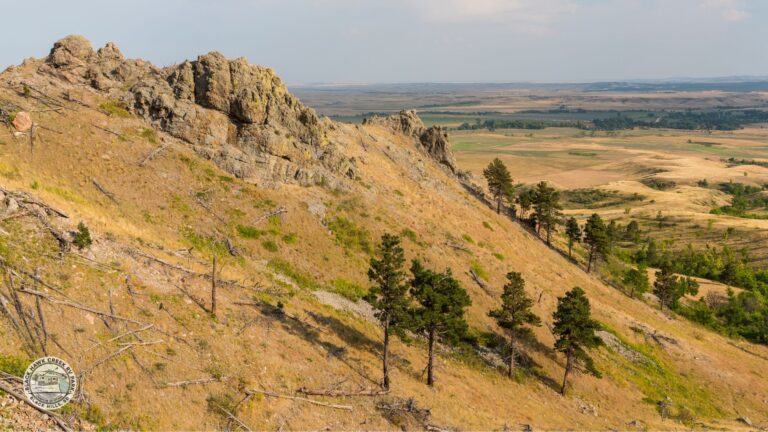
Bear Butte’s distinctive profile, which resembles a sleeping bear, is the result of millions of years of geological processes. Unlike the nearby Black Hills, Bear Butte is an igneous intrusion—a formation created when magma pushed up through the earth’s crust but never erupted as a volcano. This laccolith formation rises approximately 1,253 feet above the surrounding plains, creating a striking landmark visible for miles across the prairie. For those seeking a closer connection to this unique landscape, Bear Butte State Park camping offers a serene way to experience its natural beauty and spiritual significance.
The mountain’s current appearance was significantly altered by a 1996 fire that swept through the area, removing much of the tree cover that once dotted its slopes. This event left Bear Butte more exposed to the elements, highlighting its rugged contours and the layers of rock that tell its geological story.
The ecosystem surrounding Bear Butte supports a diverse array of wildlife, including deer, antelope, and various bird species. The mountain’s unique position as an isolated formation on the plains creates microclimates that support plant communities not typically found in the surrounding grasslands. This biological diversity has contributed to the mountain’s significance for indigenous peoples, who have long recognized it as a place of power and healing.
Cultural and Spiritual Significance
Lakota Connection
To the Lakota people, Bear Butte (Mato Paha) is one of their most sacred sites—a place of profound spiritual importance where the Creator communicates with the people. According to Lakota tradition, it was at Bear Butte that Fallen Star, a spiritual being, taught the people their sacred ceremonies and the proper way to live in harmony with creation.
Throughout history, significant Lakota leaders including Crazy Horse, Sitting Bull, and Red Cloud journeyed to Bear Butte to seek guidance through vision quests. These spiritual journeys, which involve fasting and prayer, continue to this day as Lakota people ascend the mountain to connect with the spiritual realm.
Visitors to Bear Butte will notice colorful prayer cloths and tobacco ties hanging from trees along the trails. These sacred offerings represent prayers and should never be touched or photographed. Each cloth has deep personal and spiritual significance to the person who placed it there, serving as a physical manifestation of their prayers and intentions.
Cheyenne Connection
For the Cheyenne people, Bear Butte (Noahvose) holds equally profound significance. According to Cheyenne tradition, it was at Bear Butte that their prophet Sweet Medicine received the Four Sacred Arrows and the cultural and spiritual teachings that form the foundation of Cheyenne society.
The mountain serves as the Cheyenne’s most sacred site, where tribal members continue to conduct ceremonies, vision quests, and sun dances. The Cheyenne relationship with Bear Butte emphasizes the mountain as a place of spiritual renewal and cultural continuity, where each generation connects with the teachings that have sustained their people for centuries.
Unlike some sacred sites that are primarily historical in nature, Bear Butte remains an active ceremonial location for the Cheyenne, who travel from various parts of the country to conduct ceremonies throughout the year.
Bear Butte State Park Information
Location and Access
Bear Butte State Park is located approximately 6 miles northeast of Sturgis, South Dakota, just off Highway 79. The park is easily accessible by car and is about a 30-minute drive from Rapid City, 45 minutes from Deadwood, and approximately an hour from Mount Rushmore, making it a convenient addition to a Black Hills vacation itinerary.
The park is open year-round, though services and facilities are limited from October through April. During the winter months, visitors should call ahead to confirm trail conditions and accessibility. The visitor center maintains regular hours during the summer tourist season but operates on a reduced schedule during the off-season.
For those planning to visit multiple South Dakota state parks, purchasing an annual pass may be more economical than paying daily entrance fees, especially for extended stays or repeat visits.
Facilities and Amenities
Bear Butte State Park offers a range of facilities to enhance the visitor experience. The visitor center/museum provides educational displays about the geological formation of the mountain, its ecosystem, and its cultural significance to Native American tribes. Rangers are available to answer questions and provide guidance on respectful visitation.
For those interested in Bear Butte State Park camping, the park offers 15 non-electric campsites in the main campground, 4 non-electric horse campsites for equestrian visitors, and additional non-electric sites in the middle camp area. These campsites provide a rustic experience with basic amenities including vault toilets and water access.
Picnic areas with tables and shelters are available for day use, and a group shelter can be reserved for larger gatherings. The park also features ADA accessible facilities, including designated parking spaces and an accessible viewing area that provides panoramic views of the mountain and surrounding landscape without requiring trail hiking.
Fees and Regulations
Visitors to Bear Butte State Park should be prepared to pay entrance fees, which are $10 daily for South Dakota residents and $15 for non-residents. Annual passes are available at $40 for residents and $60 for non-residents, providing unlimited access to all South Dakota state parks for a year.
For those utilizing the Bear Butte State Park camping facilities, non-electrical campsites cost $16 per night. Reservations are recommended, especially during the busy summer season and during the Sturgis Motorcycle Rally in August.
Due to the sacred nature of Bear Butte, special regulations are in place to protect both the natural environment and the cultural practices that continue there. These include:
- No pets allowed on the Summit Trail
- No alcohol permitted east of Highway 79
- No uncased firearms or bows east of Highway 79
- Strict prohibition against disturbing prayer cloths, tobacco ties, or other religious offerings
- Restrictions on photography of religious artifacts or ceremonies
- Requirement to stay on designated trails
These regulations reflect the park’s dual mission of providing recreational access while respecting the site’s ongoing spiritual significance.
Hiking and Recreational Activities
Summit Trail
The Summit Trail is Bear Butte’s signature hiking experience, offering a challenging but rewarding 1.85-mile journey (one way) to the top of the mountain. With an elevation gain of approximately 900 feet, this moderately difficult trail requires good physical condition and proper preparation, especially during summer months when temperatures can soar and shade is limited due to the 1996 fire that removed much of the tree cover.
Hikers typically take 1.5 to 2 hours to reach the summit, with additional time needed to appreciate the panoramic views and return to the trailhead. Along the way, interpretive signs provide information about the mountain’s geology, ecology, and cultural significance. Benches at strategic points offer rest opportunities and chances to take in the expanding vistas.
From the summit, visitors are rewarded with breathtaking 360-degree views of the surrounding plains, the Black Hills to the west, and on clear days, the Badlands to the east. Bear Butte Lake is visible from several vantage points along the trail, adding to the scenic beauty.
Hikers should bring plenty of water, sun protection, and appropriate footwear. The trail can be windy, especially near the top, so a light jacket is recommended even on warm days.
Lake Trail
The Lake Trail offers a gentler alternative to the Summit Trail, winding 2.5 miles around Bear Butte Lake. This relatively flat trail is suitable for all fitness levels and provides excellent opportunities for wildlife viewing, especially waterfowl and shorebirds that frequent the lake.
Unlike the more spiritually significant Summit Trail, the Lake Trail focuses on the natural beauty of the area and the recreational aspects of Bear Butte State Park. Interpretive signs along the path highlight the lake’s ecosystem and the various plant and animal species that call it home.
The trail passes through areas of native prairie grasses and offers several access points to the lakeshore, where visitors can pause to enjoy the views or watch for wildlife. Fishing enthusiasts often use the trail to reach prime fishing spots along Bear Butte Lake.
Centennial Trail
Bear Butte marks the northernmost point of South Dakota’s 111-mile Centennial Trail, which stretches south through the Black Hills to Wind Cave National Park. Hikers looking for a more extensive adventure can access this long-distance trail from Bear Butte State Park.
The sections of the Centennial Trail near Bear Butte traverse rolling prairie before entering the more forested terrain of the Black Hills. These northern segments offer a different experience from the southern portions, with open vistas and opportunities to see pronghorn antelope and prairie bird species.
For most visitors, exploring a small section of the Centennial Trail from the Bear Butte trailhead provides a taste of this longer route without committing to a multi-day hike. Those interested in longer treks should research trail conditions and arrange transportation logistics in advance.
Other Activities
Beyond hiking, Bear Butte State Park offers several other recreational opportunities. Bear Butte Lake provides a venue for fishing, with species including northern pike, walleye, and panfish. A boat ramp facilitates access for anglers and recreational boaters, though motors are restricted to electric trolling motors to maintain the peaceful atmosphere.
Horseback riding is permitted in designated areas west of Highway 79, making Bear Butte one of the few state parks in the region that accommodates equestrian visitors. The park’s horse campsites cater specifically to travelers with horses, providing appropriate facilities for both riders and their mounts.
Wildlife viewing is popular throughout the park, with opportunities to spot deer, pronghorn antelope, coyotes, and numerous bird species. The park is home to a small herd of buffalo, which can sometimes be seen grazing on the lower slopes of the mountain. Visitors should maintain a safe distance from these powerful animals and never approach them.
Birdwatchers will find Bear Butte particularly rewarding, as the diverse habitats—from lake to prairie to mountain—attract a wide variety of species. Eagles and hawks can often be seen soaring above the butte, while waterfowl frequent Bear Butte Lake.
Bear Butte in History
Beyond its spiritual significance, Bear Butte has played an important role in the broader history of the Northern Plains. The mountain has served as a landmark and meeting place for countless generations, its distinctive profile guiding travelers across the prairie long before modern navigation.
During the tumultuous period of westward expansion in the 19th century, Bear Butte witnessed pivotal moments in the relationship between Native peoples and European settlers. Tribal leaders, including Red Cloud and Crazy Horse, are known to have conducted councils near the mountain, strategizing responses to encroachment on their territories.
In 1857, a significant intertribal peace council was held at Bear Butte, bringing together representatives from multiple tribes to address common concerns. Such gatherings highlighted the mountain’s role as a neutral ground where different peoples could come together.
The site became a state park in 1961, and in 1981 was designated a National Natural Landmark. Over the decades, management practices have evolved to better respect and accommodate the mountain’s sacred status. This evolution reflects broader changes in American society’s understanding and recognition of Native American religious rights and cultural heritage.
Today, Bear Butte stands as a testament to both the enduring spiritual traditions of indigenous peoples and the ongoing process of reconciliation and respect between different cultures sharing the American landscape.
Bear Butte in the Context of the Black Hills Region
Bear Butte State Park camping occupies a unique position both geographically and culturally within the Black Hills region. While geologically related to the Black Hills, its isolated position on the eastern edge of the range makes it a distinctive landmark and creates a different visitor experience from more forested attractions deeper in the hills.
For travelers exploring South Dakota’s cultural and natural attractions, Bear Butte complements visits to other significant sites like Devils Tower (another sacred site located about 90 minutes northwest in Wyoming), Mount Rushmore (approximately one hour southwest), and Crazy Horse Memorial (about 75 minutes southwest).
The nearby town of Sturgis, famous for its annual motorcycle rally, provides the closest services to Bear Butte, including lodging, dining, and fuel. Rapid City, about 30 minutes south, offers more extensive accommodations and serves as a convenient base for exploring both Bear Butte and other Black Hills attractions.
For those seeking a deeper understanding of Native American culture in the region, Bear Butte can be paired with visits to the Journey Museum in Rapid City, the Native American Scenic Byway, or the Crazy Horse Memorial, each offering different perspectives on indigenous history and contemporary life.
Unlike the more developed and commercialized attractions in the central Black Hills, Bear Butte offers a quieter, more contemplative experience. This makes it particularly valuable for travelers seeking to balance the region’s busier destinations with moments of natural beauty and cultural reflection.
Best Times to Visit and Seasonal Considerations
Bear Butte offers different experiences throughout the year, with each season bringing its own character to the mountain and surrounding landscape.
Late spring (May-June) and early fall (September-October) generally provide the most pleasant conditions for hiking, with moderate temperatures and manageable crowd levels. During these periods, wildflowers often carpet the lower slopes of the mountain, adding splashes of color to the landscape. Fall brings golden hues to the prairie grasses, creating a warm, glowing backdrop for the dark silhouette of Bear Butte.
Summer (July-August) brings the warmest temperatures, with highs regularly reaching the 90s Fahrenheit. The lack of shade on the Summit Trail makes early morning or evening hikes advisable during this season. Summer also coincides with the Sturgis Motorcycle Rally (usually the first full week of August), which brings hundreds of thousands of visitors to the area. While Bear Butte itself doesn’t host rally events, nearby roads are busier, and campgrounds throughout the region, including those at Bear Butte State Park camping areas, fill quickly.
Winter (December-February) transforms Bear Butte into a stark, beautiful landscape, with snow often highlighting the mountain’s contours. Hiking during this season requires proper cold-weather gear and awareness of potentially icy conditions on trails. The visitor center operates on reduced hours, and some facilities may be closed.
Spring and fall also tend to be the seasons when ceremonial activities are most frequent, so visitors during these periods should be particularly mindful of areas designated for Native American spiritual practices.
Weather conditions can change rapidly in this region, so checking forecasts before visiting is always advisable. Thunderstorms are common in summer afternoons, while winter can bring sudden snow squalls. Being prepared with appropriate clothing and supplies ensures a safe and comfortable visit regardless of the season.
Conclusion
Bear Butte stands as a powerful symbol of the intersection between natural wonder and spiritual significance. Rising from the plains of South Dakota, this sacred mountain continues to serve as both a state park open to all and a living religious site for numerous Native American tribes. The dual nature of Bear Butte creates a unique opportunity for visitors to experience not just scenic beauty and outdoor recreation, but also to witness and respect the continuing spiritual traditions that have made this place sacred for millennia. For those seeking a deeper connection to the land, Bear Butte State Park camping offers an immersive way to appreciate the site’s natural serenity and cultural importance.
Whether hiking the Summit Trail, exploring the shores of Bear Butte Lake, or simply contemplating the mountain’s imposing silhouette against the sky, visitors to Bear Butte encounter a place where geology, ecology, history, and spirituality converge. This convergence invites a deeper, more thoughtful kind of tourism—one that recognizes the value of preserving both natural landscapes and the cultural practices they sustain.
Plan Your Black Hills Adventure from the Perfect Base Camp
After exploring the sacred grounds of Bear Butte, continue your South Dakota adventure with a comfortable stay at Black Hawk Creek RV Park. Located just 2 miles from the interstate and only 5 minutes from Rapid City, our park offers the perfect home base for exploring all the Black Hills has to offer.
With both spacious RV sites and cozy cabins available, we welcome travelers seeking either short visits or extended stays. Our strategic location puts you within easy driving distance of South Dakota’s most iconic attractions, including Mount Rushmore, Crazy Horse Memorial, Custer State Park, and of course, Bear Butte.
For hikers and history enthusiasts, our peaceful setting provides the ideal retreat after a day of exploration. Return from your Bear Butte adventure to relax in comfort while planning your next day’s journey through the region’s natural and cultural wonders.
Book your stay at Black Hawk Creek RV Park today and position yourself perfectly for an unforgettable Black Hills experience!