

Benefits of Solo Camping
Solo camping offers a myriad of benefits that cater to both the body and the mind. Here are some compelling reasons why you should consider embarking on a solo camping adventure:
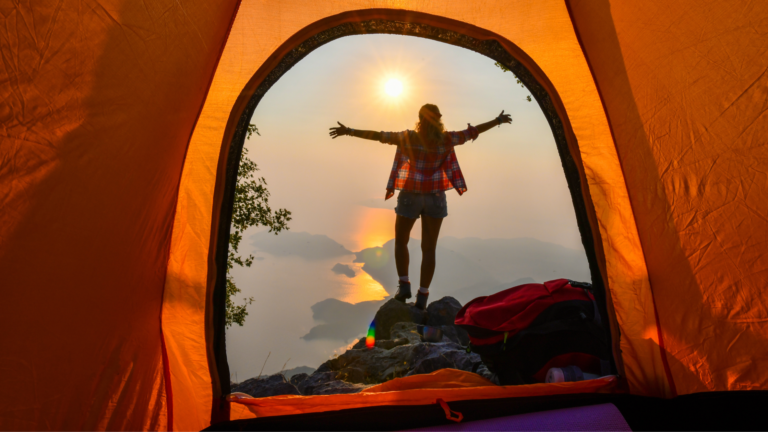
- Personal Growth and Reflection: Solo camping provides ample opportunity for introspection and self-discovery. Removed from the distractions of daily life, you can reconnect with yourself and gain a deeper understanding of your thoughts, emotions, and aspirations.
- Independence and Self-Reliance: Camping alone requires you to rely solely on yourself, fostering a sense of independence and self-reliance. From pitching your tent to navigating the wilderness, solo camping empowers you to tackle challenges with confidence and resourcefulness.
- Unparalleled Solitude: In a world filled with constant noise and stimulation, solo camping offers a rare opportunity for solitude and tranquility. Whether you’re gazing at the stars or listening to the gentle rustle of leaves, the peace and quiet of the wilderness can be incredibly rejuvenating.
- Freedom and Flexibility: When you’re camping alone, you have the freedom to chart your own course and set your own pace. Whether you want to explore new trails, linger by a tranquil stream, or simply soak in the beauty of nature, solo camping allows you to follow your whims and embrace spontaneity.
- Connection with Nature: Solo camping immerses you in the natural world, allowing you to forge a deeper connection with the environment around you. From marveling at majestic landscapes to observing wildlife in its natural habitat, camping alone offers countless opportunities to appreciate the beauty and wonder of nature.
- Stress Relief and Relaxation: The simple act of spending time outdoors has been shown to reduce stress and promote relaxation. Whether you’re unwinding by a crackling campfire or taking a leisurely hike through the woods, solo camping provides a welcome escape from the pressures of everyday life. Just make sure you have a trusty solo camping checklist for safety.
7 Tips for Solo Camping Beginners
1. Plan Ahead
2. Start Small
3. Pack Wisely
4. Inform Others
5. Practice Safety
6. Respect the Environment
7. Connect with Fellow Campers
Solo Camping Checklist
Shelter and Sleeping Gear
-
- Tent, hammock, or RV (depending on your preference)
- Tent stakes and guidelines
- Ground tarp or footprint
- Sleeping bag rated for the expected temperature
- Sleeping pad or air mattress for insulation and comfort
- Pillow or stuff sack filled with clothes for a makeshift pillow
Clothing and Personal Items
-
- Insulating layers (fleece or down jacket)
- Waterproof and windproof outer shell (jacket and pants)
- Sturdy hiking boots or shoes
- Hat, gloves, and scarf for cold weather
- Sunglasses and sunscreen
- Insect repellent
- Personal hygiene items (toothbrush, toothpaste, biodegradable soap, etc.)
- Prescription medications and any necessary medical supplies
Food and Cooking Supplies
-
- Portable camping stove or backpacking stove
- Fuel for stove (propane, white gas, or isobutane canisters)
- Lighter or waterproof matches
- Cooking pots and pans
- Utensils (spatula, spoon, knife, etc.)
- Plates, bowls, and cups
- Biodegradable soap and sponge for cleaning dishes
- Cooler and ice packs (if bringing perishable food)
- Non-perishable food items (canned goods, dried fruits, nuts, granola bars, etc.)
- Water bottles or hydration reservoirs
Water and Hydration
-
- Sufficient water supply for drinking, cooking, and cleaning
- Water filtration system or purification tablets
- Collapsible water container for transporting water from a water source to your campsite
Navigation and Safety Gear
-
- A map of the area and a compass GPS device or smartphone with GPS capabilities
- Whistle or signaling device
- Multi-tool or knife
- First aid kit with essential supplies (bandages, antiseptic wipes, pain relievers, etc.)
- Personal locator beacon or satellite messenger device (optional but recommended for remote areas)
Lighting and Illumination
-
- Headlamp or flashlight with extra batteries
- Lantern or campfire for ambient lighting around the campsite
Miscellaneous Gear
-
- Backpack or daypack for hiking excursions
- Podcasts for long road trips
- Camp chairs or portable seating
- Repair kit for tent, sleeping pad, and other gear
- Entertainment items (book, journal, playing cards, etc.)
- Trash bags for packing out waste and keeping your campsite clean
- Ziplock bags or dry sacks for organizing and waterproofing items
- Duct tape for quick repairs and improvised solutions
Where to Go Solo Camping

When it comes to solo camping, the possibilities are as vast as the great outdoors itself; there’s a solo camping option to suit every taste and safety preference. Here are three popular options for solo camping, each offering its unique benefits and downsides:
Backcountry & Primitive
For the adventurous soul craving true solitude and immersion in nature, backcountry and primitive camping are the ultimate escape. These remote wilderness areas offer unparalleled tranquility and serenity, allowing you to disconnect from the hustle and bustle of modern life and reconnect with the natural world. Benefits of backcountry and primitive camping include:
- Seclusion: Enjoy the peace and quiet of the wilderness with minimal human disturbance.
- Breathtaking Scenery: Immerse yourself in stunning landscapes and panoramic views.
- Unlimited Exploration: Embark on off-trail hikes and discover hidden gems off the beaten path.
However, backcountry and primitive camping also come with their own set of challenges and considerations, including:
- Lack of Amenities: Be prepared to rough it with no amenities such as restrooms, potable water, or designated campsites.
- Wildlife Encounters: Exercise caution and follow proper wildlife safety protocols when camping in remote areas.
- Navigational Skills: Strong navigational skills and wilderness survival knowledge are essential for safely navigating backcountry terrain.
Campgrounds
For solo campers seeking a balance of convenience and comfort, established campgrounds offer a range of amenities and facilities to enhance your camping experience, making them one of the most popular choices. From designated campsites to restrooms and potable water, campgrounds provide the perfect home base for outdoor adventures. Benefits of camping in established campgrounds include:
- Amenities: Enjoy access to amenities such as restrooms, potable water, picnic tables, and fire pits.
- Safety and Security: Campgrounds often have campground hosts or park rangers on-site, providing an added layer of safety and security.
- Community Atmosphere: Connect with fellow campers and enjoy the camaraderie of campground life.
However, camping in established campgrounds also has its drawbacks, including:
- Crowds and Noise: Campgrounds can sometimes be crowded, especially during peak seasons, leading to noise and reduced privacy.
- Reservations Required: Popular campgrounds may require advance reservations, limiting spontaneity and flexibility.
Glamping
For solo campers who crave the outdoor experience without sacrificing comfort and luxury, glamping offers the perfect solution. Glamping combines the best of camping and upscale accommodations, allowing you to enjoy the beauty of nature in style. Benefits of glamping include:
- Luxurious Accommodations: Stay in cozy cabins, safari tents, or yurts equipped with comfortable beds, plush linens, and other modern amenities.
- Scenic Locations: Glamping sites are often situated in picturesque settings, offering stunning views and access to outdoor activities.
- Convenience: Enjoy the convenience of pre-pitched tents or cabins, eliminating the need to set up camp upon arrival.
However, glamping may not be for everyone, and it comes with its own set of considerations, including:
- Cost: Glamping accommodations can be more expensive than traditional camping options, making it less accessible for budget-conscious travelers.
- Limited Immersion in Nature: While glamping allows you to enjoy the outdoors in comfort, it may lack the immersive experience of traditional camping.
- Availability: Glamping sites may be limited in some areas, especially in remote or less developed regions.