

Table of contents
- Historical Presence of Bears in the Black Hills
- Recent Bear Sightings in the Black Hills (2020-Present)
- Current Bear Population Assessment
- Bear Movement Patterns in the Region
- Black Hills Wildlife Beyond Bears
- Bear Safety Guidelines for Black Hills Visitors
- Wildlife Viewing Opportunities in the Black Hills
- Expert Perspectives on Bears in the Black Hills
- Conclusion
- Your Perfect Base Camp for Black Hills Wildlife Adventures
- Related Articles
When planning your Black Hills activities and camping adventures, wildlife encounters are often a highlight of the experience. Many visitors to Black Hills, South Dakota attractions wonder about the potential for bear encounters during their travels. The question “are there grizzly bears in the Black Hills?” has sparked debate among locals, tourists, and wildlife officials for decades. This comprehensive guide explores the historical presence, recent sightings, and safety considerations regarding bears in this popular tourist destination, helping you prepare for your Black Hills camping experience while understanding the wildlife that calls this region home.
Historical Presence of Bears in the Black Hills
The region has a complex history regarding bear populations. Historical records indicate that both black bears and grizzlies were common throughout the area in the late 1800s. Early settlers and explorers frequently documented bear encounters, and Native American tribes in the region included bears in their cultural stories and traditions.
However, as European settlement expanded, bear populations declined dramatically due to extensive hunting, trapping, and habitat destruction. By the mid-20th century, bears had become exceedingly rare in the region. Between 1960 and 2001, there were virtually no official reports of resident bears, leading wildlife authorities to declare bears effectively absent from the area.
Despite the lack of official documentation, local knowledge and occasional unconfirmed sightings suggested that bears might still be present in remote areas. Wildlife officials maintained that any bears spotted were likely transient animals passing through rather than part of an established population.
Recent Bear Sightings in the Black Hills (2020-Present)
In recent years, evidence has mounted that bears are indeed present in the region, though in limited numbers. The summer of 2023 saw a notable increase in bear activity, with 11 confirmed sightings reported to wildlife authorities. These sightings occurred in various locations, including near the Lead Country Club and in residential areas around Spearfish.
Trail cameras, wildlife officials, and local residents have documented black bears in the region with increasing frequency. In northeastern Wyoming, which includes portions of the Black Hills, there have been multiple reports of black bears raiding beehives and chicken coops, providing further evidence of their presence.
One particularly interesting case involved a tagged bear that was relocated but traveled approximately 175 miles to return to the area, demonstrating the mobility of these animals and their ability to traverse significant distances. This mobility helps explain why bears can appear in areas where they haven’t been seen for years.
Current Bear Population Assessment
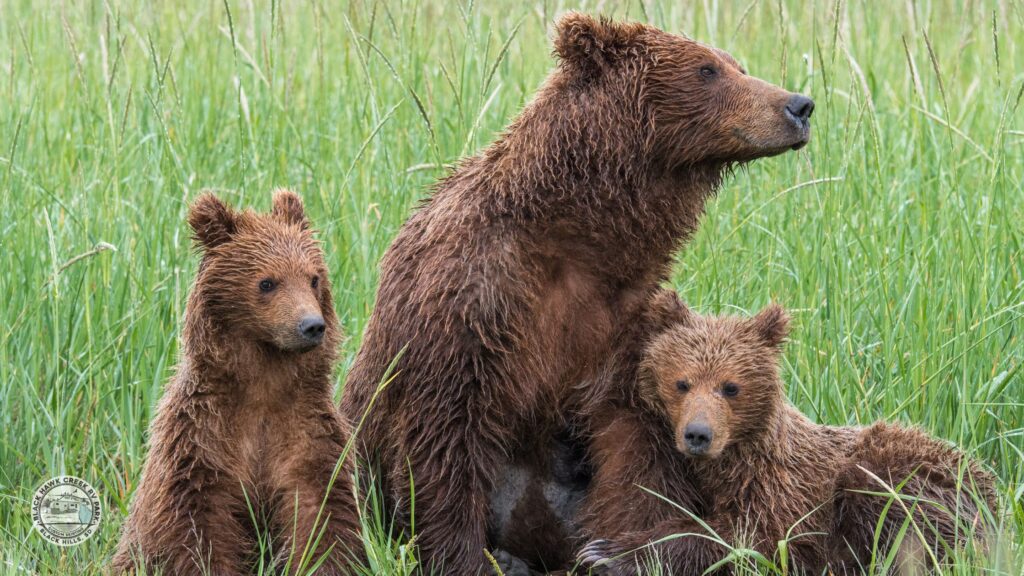
Wildlife biologists currently believe that bears in the Black Hills are primarily dispersing subadult males rather than an established breeding population. These young male bears typically leave their birth territories to establish new ranges, sometimes traveling hundreds of miles in the process.
The bears are likely dispersing from established populations in the Bighorn Mountains, the Laramie Mountain range, and parts of Montana. As these source populations grow, more young bears are forced to seek new territories, increasing the likelihood of bears entering the cosystem.
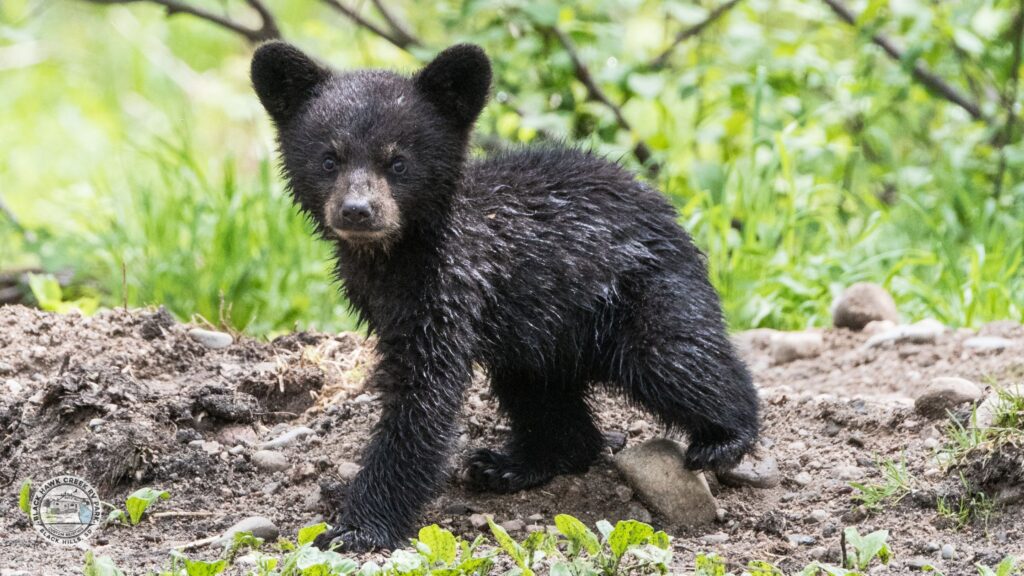
It’s important to note that all confirmed sightings have been of black bears (Ursus americanus), not grizzlies. Despite occasional rumors, there is no credible evidence of grizzly bears (Ursus arctos horribilis) in the Black Hills area. Grizzlies remain confined to the northwestern part of Wyoming, primarily in and around Yellowstone National Park.
Wildlife officials continue to monitor the situation, but most experts believe that while individual bears may pass through or temporarily reside in the Black Hills, a permanent, breeding population has not yet been established. However, as source populations continue to grow and expand their range, the possibility of bears becoming permanent residents in the Black Hills increases.
Bear Movement Patterns in the Region
Bears in the greater Wyoming and South Dakota region are showing notable expansion patterns that affect the likelihood of encounters in the Black Hills.
Grizzly bears, while not present in the Black Hills, have been expanding their range in other parts of Wyoming. Confirmed sightings near Ten Sleep in the Bighorn Mountains indicate a southward expansion from their core range. Grizzlies are also moving eastward into Montana prairie lands and southward into the Wind River Mountain ranges.
Black bears, which are the species occasionally found in the Black Hills, have more extensive movement patterns. Young males can travel over 100 miles in search of new territory, particularly when food resources are scarce or competition is high in their birth areas.
Several factors influence these movement patterns:
- Food availability: Bears follow food sources, which can change seasonally and annually
- Habitat changes: Development, wildfires, and forest management practices can displace bears
- Climate factors: Drought and changing plant phenology affect bear movement
- Human development: Bears may avoid or be attracted to human areas depending on food availability
Seasonal patterns also play a role, with bears more likely to travel during late spring and early summer when young males are dispersing, and again in fall when bears are seeking high-calorie foods before hibernation. These patterns suggest that the question “are there bears in the Black Hills?” may have different answers depending on the season, with sightings more likely during these peak movement periods.
Black Hills Wildlife Beyond Bears
The Black Hills ecosystem supports an impressive variety of mammals, birds, and reptiles that contribute to the area’s ecological richness.
Common wildlife sightings include:
- Deer (both mule deer and white-tailed deer)
- Wild turkeys
- Bighorn sheep
- Mountain goats
- Elk
- Burros
- Prairie dogs
- Pronghorn antelope
- Smaller mammals like foxes, raccoons, and squirrels
Visitors should also be aware of potentially dangerous wildlife including:
- Bison/buffalo (particularly in Custer State Park)
- Rattlesnakes
- Mountain lions (rare but present)
- Coyotes
The Black Hills ecosystem represents a unique meeting point of eastern and western species, creating a biodiversity hotspot. If bears were to establish a permanent population in the region, they would occupy an important ecological niche as omnivores that help disperse seeds, control prey populations, and contribute to nutrient cycling through their foraging activities.
For visitors interested in wildlife viewing, the Black Hills offer numerous opportunities to safely observe native species during their road trip adventures, even if bear sightings remain uncommon.
Bear Safety Guidelines for Black Hills Visitors
Whether you’re camping alone or with family, understanding bear safety is important for anyone visiting the Black Hills. Although bear encounters are rare, knowing how to respond can prevent dangerous situations.
If you’re wondering “are there bears in the Black Hills?” and how to prepare for potential encounters, follow these guidelines:
Food Storage and Campsite Management
- Use bear-resistant containers for food storage when camping
- Keep a clean campsite, promptly disposing of food waste in designated receptacles
- Store food, cooking equipment, and scented items (including toiletries) away from your sleeping area
- Never keep food in your tent
Hiking Safely
- Make noise while hiking to avoid surprising bears
- Hike in groups when possible
- Stay on designated trails
- Be especially cautious near streams or in areas with limited visibility
- Carry bear spray and know how to use it properly
If You Encounter a Bear
- Remain calm and avoid sudden movements
- Do not run (this may trigger a chase response)
- Back away slowly while facing the bear
- Speak in a calm, assertive voice
- Make yourself look larger by raising your arms
- If a black bear attacks (extremely rare), fight back aggressively
- Report all bear sightings to park authorities
These precautions are good practice for any wilderness area, even where bear encounters are uncommon. By following these guidelines, you can enjoy your Black Hills camping experience with confidence, knowing you’re prepared for the unlikely event of a bear encounter.
Wildlife Viewing Opportunities in the Black Hills
For visitors hoping to see bears and other wildlife safely during their Black Hills activities, several established viewing areas offer excellent opportunities. While wild bear sightings remain rare, these locations allow you to experience the region’s diverse fauna.
Bear Country USA
Located near Rapid City, this drive-through wildlife park houses numerous black bears in a naturalistic setting. Visitors can observe bears from the safety of their vehicles, making it the most reliable place to see bears during your visit.
Reptile Gardens
This facility focuses on reptiles but also houses various mammals and birds native to the region, providing educational opportunities about local wildlife.
Wildlife Loop in Custer State Park
While bears are rarely seen here, the 18-mile scenic drive offers excellent opportunities to view bison, pronghorn, elk, deer, and the park’s famous begging burros. Early morning or evening drives yield the best wildlife viewing.
Spearfish Canyon
This scenic byway passes through habitat that occasionally hosts bears. While sightings are uncommon, the diverse ecosystem supports numerous wildlife species worth watching for.
For those specifically interested in bears, guided wildlife tours with experienced naturalists can increase your chances of spotting wildlife while learning about the ecology of the Black Hills. Park ranger programs at various attractions also provide information about local wildlife, including the history and current status of bears in the region.
Expert Perspectives on Bears in the Black Hills
Wildlife biologists, park rangers, and conservation officers offer valuable insights on the question “are there grizzly bears in the Black Hills, South Dakota?” Their professional assessments help clarify the current situation and future prospects for bears in the region.
According to Wyoming Game and Fish large carnivore specialists, the bears appearing in the Black Hills are primarily young males dispersing from established populations elsewhere. These experts note that while individual bears may pass through or temporarily reside in the area, there’s currently no evidence of a breeding population.
South Dakota wildlife officials acknowledge the increasing frequency of bear sightings but emphasize that encounters remain extremely rare. They monitor reports carefully but consider bears to be occasional visitors rather than permanent residents of the Black Hills ecosystem.
Conservation biologists point out that the Black Hills could potentially support a small bear population, as the habitat provides adequate food sources and cover. However, the fragmented nature of the forest and proximity to human development present challenges for establishing a viable population.
Local wildlife guides with decades of experience in the region report that client interest in bears has increased following publicized sightings. They educate visitors about the limited but real possibility of bear encounters while emphasizing the abundance of other wildlife viewing opportunities.
Some experts predict that bear sightings will continue to increase as source populations grow and expand their range. Whether this will eventually lead to a resident breeding population remains uncertain, but most agree that the Black Hills could see more regular bear activity in coming decades.
Conclusion
So, are there grizzly bears in the Black Hills, South Dakota? The evidence clearly indicates that black bears do occasionally appear in the region, though they remain relatively rare compared to other wildlife. Historical records show that bears were once common before being nearly eliminated by the mid-20th century. Recent years have seen an increase in confirmed sightings, primarily of young male black bears dispersing from established populations in neighboring regions.
While visitors to the Black Hills should be aware of bear safety practices and prepared for the possibility of an encounter, the chances of actually seeing a bear in the wild remain quite low. For those interested in wildlife viewing, the region offers abundant opportunities to observe numerous species in their natural habitat, with bears being just one small part of the diverse ecosystem.
The story of bears in the Black Hills continues to evolve as wildlife populations adapt to changing environments and expanding ranges. What seems clear is that bears are reclaiming at least some of their historical territory, creating both challenges and opportunities for conservation and coexistence.
Whether you’re planning a camping trip, a hiking adventure, or simply a scenic drive through this beautiful region, understanding the wildlife that calls the Black Hills home enhances the experience. And while the answer to “are there grizzly bears in the Black Hills?” may be more complex than a simple yes or no, the possibility of glimpsing one of these magnificent animals adds an element of wild wonder to any Black Hills South Dakota attractions you might visit.
Your Perfect Base Camp for Black Hills Wildlife Adventures
After learning about bears and other wildlife in the Black Hills, you’ll need the perfect place to rest between adventures. Black Hawk Creek RV Park offers the ideal location just 5 minutes from Rapid City and convenient access to all major Black Hills attractions. With comfortable RV sites and cozy cabins available year-round, you can enjoy wildlife viewing during the day and return to modern amenities at night. Whether you’re planning a short visit or an extended stay to explore Mount Rushmore, Custer State Park, and Badlands National Park, Black Hawk Creek provides the perfect home base. Book your stay today and position yourself for unforgettable wildlife encounters while enjoying all the comforts of home in the heart of South Dakota’s natural wonderland.