

Table of contents
If you’re new to RV life or just looking to better understand how your rig works, one of the most essential things to learn is: how do RVs get power? Knowing how RVs have electricity and how to manage your RV power systems is crucial for enjoying stress-free camping trips. Whether you’re plugged in at a campground, running off batteries, or dry camping in the wilderness, understanding how campers get power can make all the difference between comfort and frustration. This guide breaks down the different types of RV power connection options—including shore power, generators, battery banks, and solar setups—detailing how to use each source safely and efficiently. We’ll walk you through step-by-step instructions on how to connect your RV to power sources, common mistakes to avoid, and signs that something’s not working correctly.
You’ll also learn about specific power requirements for different RV classes (from small travel trailers to large motorhomes), how to conserve energy with smart usage habits, and the latest technologies in RV electrical systems, such as lithium batteries, solar charge controllers, and inverter/charger combos. Whether you’re planning short weekend getaways or full-time RV living, having a solid grasp of your RV’s power system is key to making the most of your adventures.
Understanding RV Electrical Systems Basics
AC vs. DC Power in RVs
How do RVs have electricity? RVs use two types of electrical systems: AC (alternating current) and DC (direct current). AC power (typically 120 volts) is what powers high-demand appliances like air conditioners, microwaves, and TVs. DC power (12 volts) comes from your RV’s battery system and powers essentials like lights, water pumps, and fans.
These two systems work together through a converter, which transforms AC power from shore hookups into DC for battery charging and 12V systems. Conversely, an inverter allows you to use DC battery power to run AC devices when not plugged into shore power.
Understanding both systems is key to efficient power use. For example, you may run low on DC power even while connected to AC if your converter is malfunctioning.
RV Power Distribution Components
Your RV has several critical components that manage power:
- Converter: Changes incoming 120V AC power to 12V DC power to charge batteries and run DC systems.
- Inverter: Converts stored 12V DC battery power to 120V AC to run standard appliances.
- Circuit breaker panel: Controls and protects AC circuits in your RV.
- Fuses: Protect DC circuits from overcurrent.
If you’re experiencing an outage, check for a tripped breaker or blown fuse. Understanding how do campers get power helps you troubleshoot issues—always carry spare fuses and know how to identify which one protects which circuit.
Primary RV Power Sources
Shore Power (Campground Hookups)
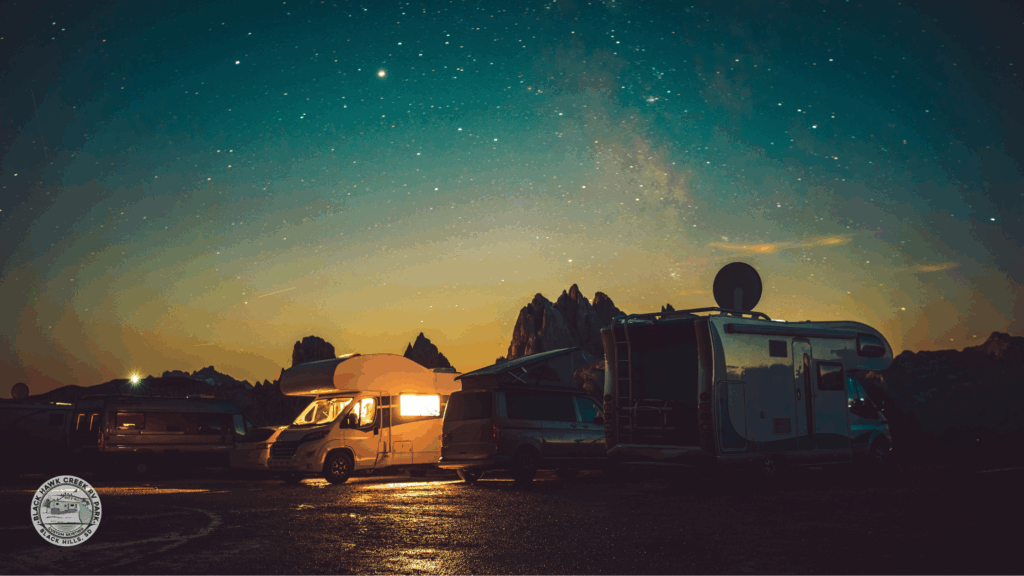
The most reliable and common RV power connection is shore power—electricity supplied at campgrounds. Connections usually offer:
- 30-amp service: Suitable for smaller RVs, powering one air conditioner and basic appliances.
- 50-amp service: Standard in larger RVs, able to run multiple ACs and high-demand devices simultaneously.
To connect, you’ll need:
- A heavy-duty power cord
- Appropriate adapter plugs (e.g., from 50A to 30A or 15A)
- A surge protector (more on that later)
Always plug in the surge protector first, then your power cord. When disconnecting, reverse the order.
RV House Batteries
House batteries are your RV’s backbone when not on shore power. Here’s how campers get power through batteries:
- Lead-acid (flooded): Cheap, widely available, but heavy and requires maintenance.
- AGM (Absorbed Glass Mat): Maintenance-free, better performance in cold weather.
- Lithium-ion: Lightweight, long-lasting, higher upfront cost, but excellent for frequent boondockers.
Batteries are charged through:
- Shore power (via converter)
- Vehicle alternator (while driving)
- Solar panels or generators
Monitor battery levels with a digital display or smart app. Store them properly in extreme temperatures to extend lifespan.
Generators for RV Power
When shore power isn’t available, generators are a go-to backup. They come in:
- Built-in units (common in Class A and C RVs)
- Portable generators (gas, diesel, or propane)
Key specs:
- Power rating in watts (match to your load requirements)
- Fuel type and availability
- Noise level (measured in dB)
Use CO detectors and ensure proper ventilation. Follow a maintenance schedule (oil changes, filter cleaning) to keep it reliable.
Solar Power Systems
Solar setups are increasingly popular for boondocking. Components include:
- Solar panels (roof-mounted or portable)
- Charge controller (regulates charge into batteries)
- Battery bank (usually lithium for solar systems)
Benefits:
- Quiet and eco-friendly
- Great for maintaining battery health
Limitations:
- Weather-dependent
- Expensive initial setup
Calculate your daily power use (in watt-hours) to determine your system size. Add more panels or batteries as needed.
Managing RV Power Consumption
Understanding Power Draw of Common Appliances
Here’s what typical RV appliances use:
- Air Conditioner: 1500–2000W
- Microwave: 1000–1500W
- Coffee Maker: 600–900W
- Refrigerator: 150–800W
- Lights (LED): 3–10W per bulb
Add up your devices to avoid exceeding the power available from your RV power connection. Know which appliances run on AC vs. DC and plan accordingly.
Power Conservation Strategies
To conserve power:
- Use LED lights
- Install a programmable thermostat
- Choose energy-efficient appliances
- Limit use of high-draw devices
- Use solar for daily maintenance charging
Smart power management systems like Victron or Go Power! can automate and monitor your entire RV power system, optimizing performance and reducing waste.
RV Power Safety and Protection
Surge Protectors and Power Management Systems
Surge protectors are vital when plugging into shore power. They prevent damage from:
- Voltage spikes
- Brownouts
- Faulty campground wiring
Types:
- Portable units: Easy to use, plug-and-play
- Hardwired units: Installed inside your RV for theft protection
Advanced power management systems offer diagnostics, automatic shutoff, and remote monitoring.
Troubleshooting Common RV Electrical Problems
When power issues arise:
- Check all breakers and fuses
- Test outlets with a multimeter
- Use a polarity tester for shore power
- Inspect battery terminals for corrosion
- Confirm generator fuel and oil levels
DIY repairs include replacing fuses, tightening loose connections, and resetting breakers. For inverter/converter issues or full system failures, consult a certified RV technician.
The question how do RVs get power isn’t a one-size-fits-all answer. RVs rely on a combination of shore power, batteries, generators, and solar to meet their electrical needs. Understanding how do RVs have electricity and mastering your RV power systems is essential for a smooth and enjoyable trip. With proper setup and smart energy use, even off-grid adventures become comfortable and convenient. Now that you know how campers get power and how to optimize your RV power connection, you’re ready to hit the road with confidence.
Ready to Power Up Your RV Experience?
If you’re a new RV owner eager to understand your power setup, there’s no better place to practice and learn than Black Hawk Creek RV Park. With full hookups, year-round availability, and easy access to essential amenities, our park makes it simple to test and fine-tune your RV electrical system in a stress-free setting. Nestled in the heart of South Dakota’s stunning natural and cultural beauty, Black Hawk Creek is more than a place to park—it’s your gateway to confidence and adventure.
Book your stay today and turn your RV knowledge into real-world experience!